Angling Council of Ireland
  • Home
  • About ACI
    • Contact
    • Constitution
    • Health & Safety
    • Safeguarding
    • Garda Vetting
    • ACI Governance
    • 2022 Annual Board Assurance Statement to Sport Ireland Governance Code for Sport
    • Anti-Doping
  • Coaching
  • Angling For All
  • European Angling Alliance
  • News
  • Complaints & Disciplinary
  • Gallery
  • Click to open the search input field Click to open the search input field Search
  • Menu Menu

Let’s bring the salmon and sea birds back! The hypothesis on overgrazing and predation

8th July 2018/in Uncategorised/by Jonathan Rice

Let’s bring the salmon and sea birds back!


The hypothesis on overgrazing and predation


Is overgrazing and predation by mackerel to blame

for declining European salmon and sea bird stocks today?


Jens Christian Holst

jens@ecosystembased.com

June 2018


Background

Wild salmon stocks from in particular the European southern NEAC salmon area are dwindling and today for instance most Irish and Northern Irish rivers are closed for ‘normal’ fishing. Hypotheses on the marine factors underlying the salmon collapse are many: marine climate, sea lice from salmon farms, inbreeding of escapees in wild salmon stocks and bycatch in pelagic fisheries.

The ICES Working Group on North Atlantic Salmon, WGNAS, is clear in its conclusions: ‘The continued low abundance of salmon stocks in many parts of the North Atlantic, despite significant fishery reductions, strengthens the view that factors acting on survival in the first and second years at sea are constraining the abundance of Atlantic salmon.’

As a marine fisheries scientist, I have worked closely on the marine ecology of salmon and the factors affecting marine survival of Atlantic salmon since 1991. Based on my ecosystem-based research in the NE Atlantic, I have developed the hypothesis that overgrazing and predation are major factors behind dwindling salmon and sea bird stocks of western Europe.

Based on what I consider to be strong empiric evidence, the NE Atlantic mackerel stock has grown totally out of proportion due to gross underestimation, leading to overly cautious fishing quotas and underfishing as a consequence. Because of this very large mackerel stock, the food resources of whales, seals, sea birds, salmon, other pelagic fishes and the mackerel itself are now heavily overgrazed. Today, a 7-year-old mackerel weighs half of its weight of 10 years ago — a clear sign of the overgrazing and lack of food.

This lack of food has also led to starvation and very slow growth of young salmon at sea, the salmon postsmolt.  Postsmolts are now more vulnerable to predation and disease than before the mackerel ‘explosion’.


Voracious hunters

A 30 cm long mackerel will eat a 12.5 cm mackerel meaning a mackerel can eat a fish 40% its own length (Figure 1).  This again means a mackerel at 50 cm can eat a 20 cm postsmolt salmon. In other words, mackerel today can prey efficiently on postsmolt salmon during much of the postsmolts first summer at sea.

Traditionally, the main spawning grounds of the NE Atlantic mackerel stock were in the North Sea and west of the British Isles. In parallel with the strong stock growth starting around 2003, mackerel spawning areas swelled, particularly in the western areas and northwards. From 2008 onwards, mackerel have also spawned in the Norwegian Sea and in Norwegian fjords, as far north as northern Norway (Figure 2).

The widening of mackerel egg distributions from April-May 1992 (Figure 3 ) to 2016 (Figure 4) demonstrate the increase of the mackerel spawning stock distribution west of the British Isles. In figure 5 and 6 the expansion of the mackerel summer feeding areas during 2007 to 2017 is demonstrated.


Figure 1: 30 cm mackerel with 12.5 cm mackerel in its stomach. Photo courtesy of Ian Kinsey.

Figure 2. Catches of spawning mackerel during the IESNS surveys in the Norwegian Sea May 2008-2016. Spawning mackerel was never observed in this area before 2008 but has intensified strongly after, both in the Norwegian Sea and in Norwegian fjords way north to northern Norway. From ICES WGWIDE 2017.

Figure 3: Distribution of mackerel egg, proxy for spawning mackerel, during the period of the Irish smolt run in 1992. Left 13 April – 5 May, right 16 May-13 June.

Figure 4: Distribution of mackerel egg, proxy for spawning mackerel, during period of the Irish smolt run in 2016. Left 9-30 April, right 1-30 May. Note that the survey does not find the northern zero line of eggs which correspond well with the observations in figure 2.

Figure 5. The geographic expansion of the NE Atlantic mackerel stock as reflected in the ICES IESSNS survey during 2007-2016. During this period the feeding area of the mackerel expanded by a factor of three while den density doubled, indicating a six fold increase in stock size during the period. Figure from Nøttestad and Utne, Naturen nr 6, 2016.
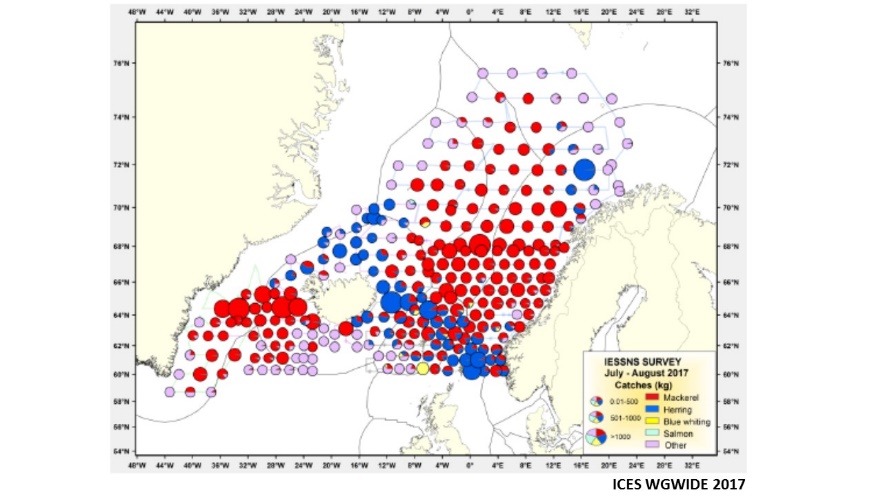
Figure 6. Trawl stations and catches of mackerel in red during the 2017 ICES IESSNS survey. The 2017 survey gave the highest spawning stock biomass index ever at 10.3 million tonnes.


Overlapping migration routes of mackerel and southern postsmolts

Mackerel and southern European salmon postsmolts both use the shelf edge currents west of the European continent to speed up their northern feeding migration in late spring, thus inhabiting the same waters and depths in late spring and summer (Figure 7).

Figure 7. Approximate swimming path of a Corrib postsmolt (red) from western Ireland to its Norwegian Sea feeding area (yellow line). Yellow bubbles are catches of postsmolts made in dedicated salmon trawl hauls during 1991-2011 using the Salmon-Trawl. Note how the postsmolts follow the shelf edge current northwards then spread out in the Norwegian Sea feeding areas, all in parallel with the mackerel as can be seen in the maps above. Original map modified by author.

This ‘co-swimming’ of mackerel and salmon postsmolts during the ‘on average’ about 2,000-kilometre migration from southern European salmon river mouths to north of the Vøring plateau in the Norwegian Sea at 68 degrees north creates the perfect predation opportunity for the starving mackerel on the now slow-growing and vulnerable postsmolts.

Knowing that the migration takes about two months, I leave it to the reader to consider what the effect of the combined effect of competition and predation from mackerel could be on postsmolts from waters off the island of Ireland, France, Spain and western Scotland during this migration period. Mackerel is also abundant in the North Sea and the same situation would apply to postsmolts from Wales, England and eastern Scotland.

The southern salmon stocks have collapsed at much higher and more alarming rates than the Norwegian salmon stocks (Figure 8), despite about 1.3 million tonnes of salmon being farmed in Norway and only 200.000 tonnes being farmed in two of the southern regions, Ireland and western Scotland, plus 500 tonnes in Northern-Ireland. All of the southern postsmolts have to ‘co-swim’ northwards with the now very dense concentrations of mackerel, more than double the distance and period compared with the average Norwegian postsmolt.

Figure 8. Development of salmon nominal catch in southern and northern NEAC 1971 to 2016. Text at top inserted by author.


That said, this is not to defend today’s fish farming practices which I believe are unsustainable and should change to enclosed or semi-enclosed systems — from an environmental perspective and not the least in terms of sustainable growth potential for the industry. Sea lice is a factor for the marine survival of salmon in some areas but it is a relatively small factor today, and should not be the point of focus in the recovery of European salmon stocks.

Following two years of successful mackerel spawning in 2016 and 2017 in the Norwegian Sea and Norwegian coast, these areas are now ’full’ of juvenile mackerel (Figure 9). Consequently, the worst may well be yet to come for the salmon from the southern European salmon regions.


Figure 9. Examples of the young mackerel currently growing up ‘all over’ the North Sea, Norwegian Sea and along the Norwegian coast at the moment. These were caught in a ‘washing set’ by the purse seiner ‘Brennholm’ at an arbitrary position 100 nm west of the Lofoten Isles in January 2018. At this stage these small mackerels are competitors to the postsmolt salmon, later they will be both competitors and potential predators. Photo JC Holst.


The linked sea bird collapse

In parallel with the European salmon collapse, we have witnessed a collapse of a large range of western European sea birds depending on plankton and fish larvae/small fish as main components in their diets. The worst hit species is probably the kittiwake, a small sea gull, which compete directly with the mackerel in its diet.


At the same time we have seen a strong growth in northern gannets populations, a large fish eating sea bird, which have mackerel as an important part of their diet. It seems nesting locations are restricting their population growth in the western Scottish sea bird cliffs while they have expanded strongly for instance in the North Sea on Bass Rock and northwards along the Norwegian Coast and at the Bear Island. The gannet established at the Bear Island few years ago with a 100% nesting success and the colony is growing quickly.


In general sea birds competing with mackerel are plummeting along with the growing mackerel distribution and density while sea bird eating mackerel are thriving from the dramatically increase in availability of mackerel (Figure 10).


Figure 10. The strongly contrasting development in kittiwake and northern gannets on the Runde seabird cliff off the Norwegian west coast at about 62° north is a good example of how the plankton and small-fish eating sea birds lose out in the competition with the mackerel while a mackerel eating sea bird like the gannet prosper from it.


Mackerel, postsmolts and kittiwake have a large overlap in diet, in particular in amphipods, fish larvae and small fishes. The usual explanation for the collapse of the plankton and small fish dependent sea birds is climate change and fisheries. But it is a large paradox that the plankton they eat is not fished and neither are 0-group fish. But they are all prime elements in the mackerel diet.


Reasons unknown

Some scientists claim temperature and climate change is the culprit for the European wild salmon collapse. In my view there is no empiric basis for such a conclusion.


If we study water temperatures in the main feeding area of ‘southern’ European postsmolts in the Norwegian Sea, they rose from the 1970s to 2007 and have now dropped to close to or below normal, according to the Institute of Marine Research (IMR) in Norway. Figure 11 below describes the development in temperature conditions in the most important feeding areas of European postsmolt during the late spring-summer.


Temperatures in the Norwegian Sea follow the so-called Atlantic Multidecadal Oscillation (AMO). This 60-year climate cycle bottomed in the early 1970s, peaked around 2007 and is expected to be negative over the next 20 years from now.


Figure 11. From the Institute of Marine Research report 2017: ‘The Norwegian Sea: The temperatures in the Atlantic water along the Norwegian continental shelf have since 2013 been close to or slightly above normal. The temperatures in 2016 were mainly above normal, except the south-eastern Norwegian Sea were the temperatures were lower than normal.’


Climate change will probably lead to higher temperatures at the peaks and troughs of the coming cycles, but I expect the cycling to continue as documented in sedimentation layers on the seabed since the last ice age of 10,000 years ago.


So, during a period of continuous decline of salmon stocks from in particular the southern European area from around 1973, temperatures in the postsmolt main feeding areas have been rising and peaked in 2007 and have dropped to around normal today.


Consequently, there is no correlation with temperatures and the collapse of the southern European salmon stocks but there is very good correlation with the growing mackerel stock and its potential for competition with and predation on the European postsmolt salmon.


Continuing decline

Despite the AMO having turned negative more than 10 years ago European salmon stocks continue their negative spiral and fishing has almost ceased as the stocks are close to or under conservation limits in particular in the southern NEAC area.


In my view, this situation will probably continue to worsen until the heavy competition and predation by mackerel is reduced. The reduction should be done through an internationally agreed and closely monitored thinning fishery on mackerel, where some of the extra catch goes into meal and oil.


Not to give the pelagic fishermen higher quotas but to bring the ecosystem of the north-eastern Atlantic back within ‘normal’ ranges where both salmon and seabirds dependent on plankton and small fishes will return to sustainable stock levels.


Conclusions

The hypothesis on overgrazing and predation has been hard to sell within the ICES community, in management bodies, with politician and with the wild salmon lobby. The reason for this is most probably because the hypothesis challenges one of the cores of ICES activities, the accuracy of pelagic stock estimation. It also challenges the view that sea lice and escapees are the most serious threats for the wild salmon today. Nevertheless, in search of getting our salmon and sea birds back, every obvious stone must be turned. I have worked with a wide range of mortality factors on wild salmon at sea since 1991, including sea lice, disease and bycatch. It is my strong recommendation that also this hypothesis should be treated and tested seriously. The empiric basis is very much larger than can be shown in this handout.


Very much can also be done about marine bycatch of salmon. I have developed ‘The free passageway model’ which is a model to reduce marine bycatch of postsmolts in the NE Atlantic. The model is ready to go but will need international cooperation to be implemented. And I will be very happy to present both the hypothesis of overgrazing and predation and the free passageway model for interested organisations.


The ocean is something large and unknown for most of the salmon community. I think this is the main reason why most discussions focus around rivers and near shore issues when it comes to understanding and managing the wild salmon. The time is more than ripe for looking out at sea through ecosystembased perspective. I will guarantee all of you a fantastic journey that will give you an entirely new view on why the salmon and sea birds vary in numbers and why they are not as numerous as they used to be. Let’s start today and bring them back home!


So I ask: What is most likely to kill a northward bound 15 cm Corrib postsmolt salmon today —temperatures close to normal or a starving mackerel?


Dr Holst worked as a management scientist on pelagic fish at the Institute of Marine Research in Norway. Today he is an independent fisheries advisor and developer. Several of his publications and talks on salmon at sea and related issues are found by registering and logging into Reseachgate.com.

To stay independent in the controversial field of wild salmon, sea lice, farmed salmon and pelagic fish, he has not taken on projects since 2016 and finances himself today. He is involved in projects on closed contained fish farming.


https://www.anglingcouncil.ie/wp-content/uploads/2016/01/logo-nobg.png 0 0 Jonathan Rice https://www.anglingcouncil.ie/wp-content/uploads/2016/01/logo-nobg.png Jonathan Rice2018-07-08 21:41:412018-07-08 21:41:41Let’s bring the salmon and sea birds back! The hypothesis on overgrazing and predation

Appeal to anglers and fishery managers as hot weather continues

8th July 2018/in Uncategorised/by Jonathan Rice

Appeal to anglers and fishery managers as hot weather continues

Thursday, 5th July 2018: Inland Fisheries Ireland is appealing to anglers and fishery managers to voluntarily cease salmon angling on catch and release rivers with immediate effect due to high water temperatures and the current drought conditions. The agency also advises for conservation purposes on open rivers, anglers should cease angling once their daily bag limit is reached.

With regard to keep nets on coarse fisheries, the agency advises that this practise should be suspended at this time.

Inland Fisheries Ireland will monitor the situation and issue updates as appropriate. Should the current weather conditions continue, Inland Fisheries Ireland may consider the introduction of emergency conservation legislation.


Angling in hot weather
https://www.anglingcouncil.ie/wp-content/uploads/2016/01/logo-nobg.png 0 0 Jonathan Rice https://www.anglingcouncil.ie/wp-content/uploads/2016/01/logo-nobg.png Jonathan Rice2018-07-08 20:58:112018-07-08 21:30:49Appeal to anglers and fishery managers as hot weather continues

Fish in distress during hot spell – Inland Fisheries Ireland seeks help of public

8th July 2018/in Uncategorised/by Jonathan Rice

Fish in distress during hot spell – Inland Fisheries Ireland seeks help of public

Friday 29th June 2018: Inland Fisheries Ireland is asking anglers and the general public to report any sightings of distressed fish which may be caused by high water temperatures and low water levels. Inland Fisheries Ireland is also asking anglers to voluntarily cease using ‘keep nets’ during this period to avoid causing unintentional distress to fish kept for long periods.

The public is invited to make reports of fish in distress to Inland Fisheries Ireland’s 24 Hour Hotline on 1890 34 74 24 or 1890 FISH 24. Inland Fisheries Ireland staff will continue to monitor water bodies for any signs of distressed fish in shallow water, but will be able to react more quickly to timely reports received.

Dr Ciaran Byrne, CEO of Inland Fisheries Ireland, said: “Low water levels and high water temperatures may lead to fish kills. The temperatures are dangerously hot at the moment and fish kills may be unavoidable.  In some instances, moving fish may prove too stressful. We would ask anglers practising catch and release fishing during this hot spell to consider taking a break from fishing entirely until conditions are more favourable.”


Gasping Fish 1 3 1

The unusually hot weather can see fish in considerable distress


Inland Fisheries Ireland is also reminding landowners, industry and farmers that as these low water levels and warm water temperatures put additional pressures on Ireland’s watercourses, there is a reduced amount of oxygen in water. As a result, poor quality discharges to rivers and lakes, such as silage effluent or sewage discharges can put additional demands on the oxygen levels, resulting in pollution incidents and fish kills.

Landowners are reminded that abstraction of water from rivers and lakes should be carried out in a sustainable manner to ensure sufficient levels are available for other water users and to protect the aquatic habitat.

Dr Byrne continued: “Our confidential hotline number 1890 34 74 24 or 1890 FISH 24 is available to members of the general public who, in addition to reporting fish kills, can also report incidents of illegal fishing, water pollution and invasive species.”

For more information, visit www.fisheriesireland.ie.

https://www.anglingcouncil.ie/wp-content/uploads/2016/01/logo-nobg.png 0 0 Jonathan Rice https://www.anglingcouncil.ie/wp-content/uploads/2016/01/logo-nobg.png Jonathan Rice2018-07-08 20:56:472018-07-08 20:56:47Fish in distress during hot spell – Inland Fisheries Ireland seeks help of public

IFSA Junior Home Nations Team 2018

13th June 2018/in Uncategorised/by Jonathan Rice

IFSA Junior Home Nations Team 2018

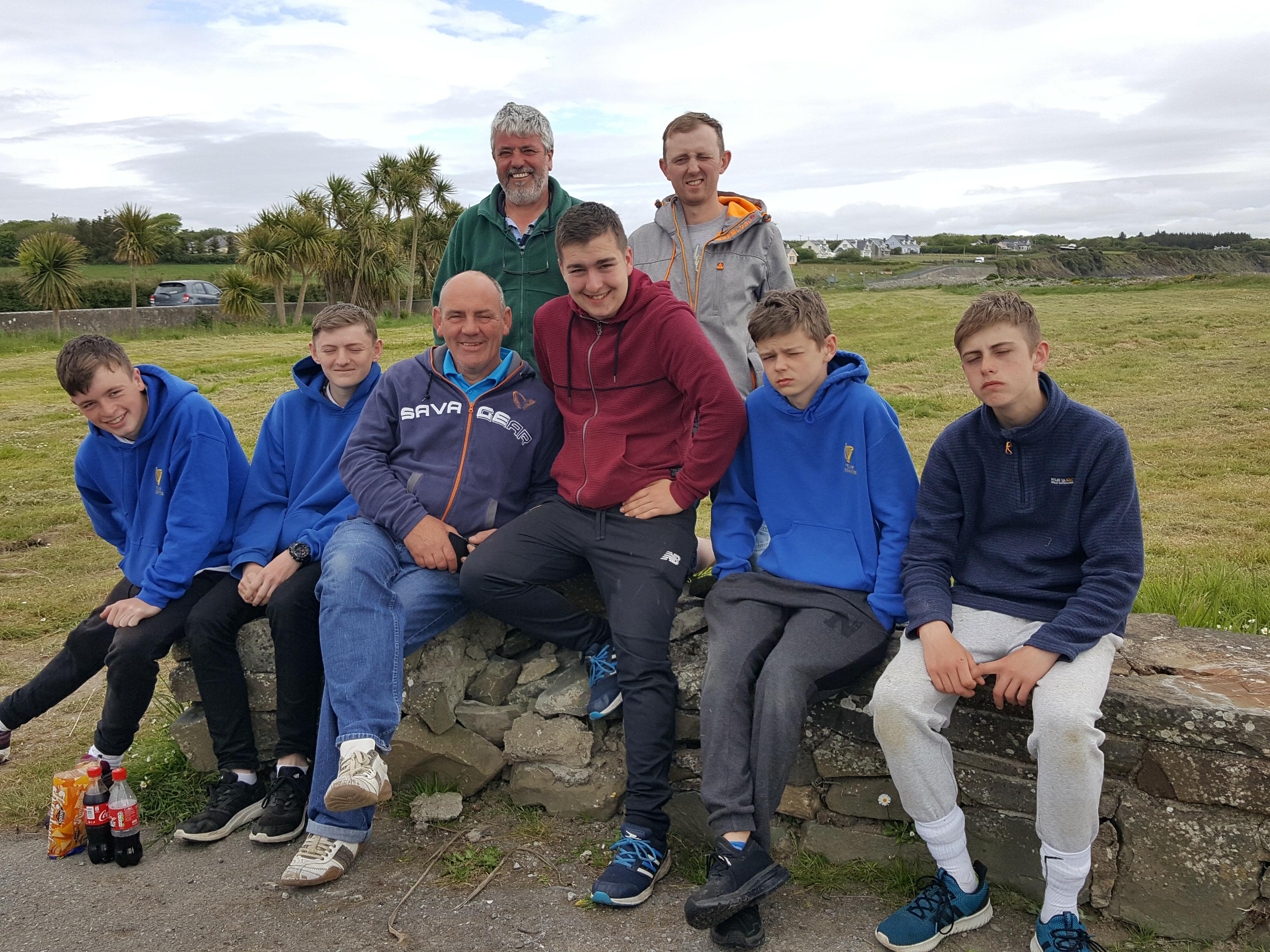
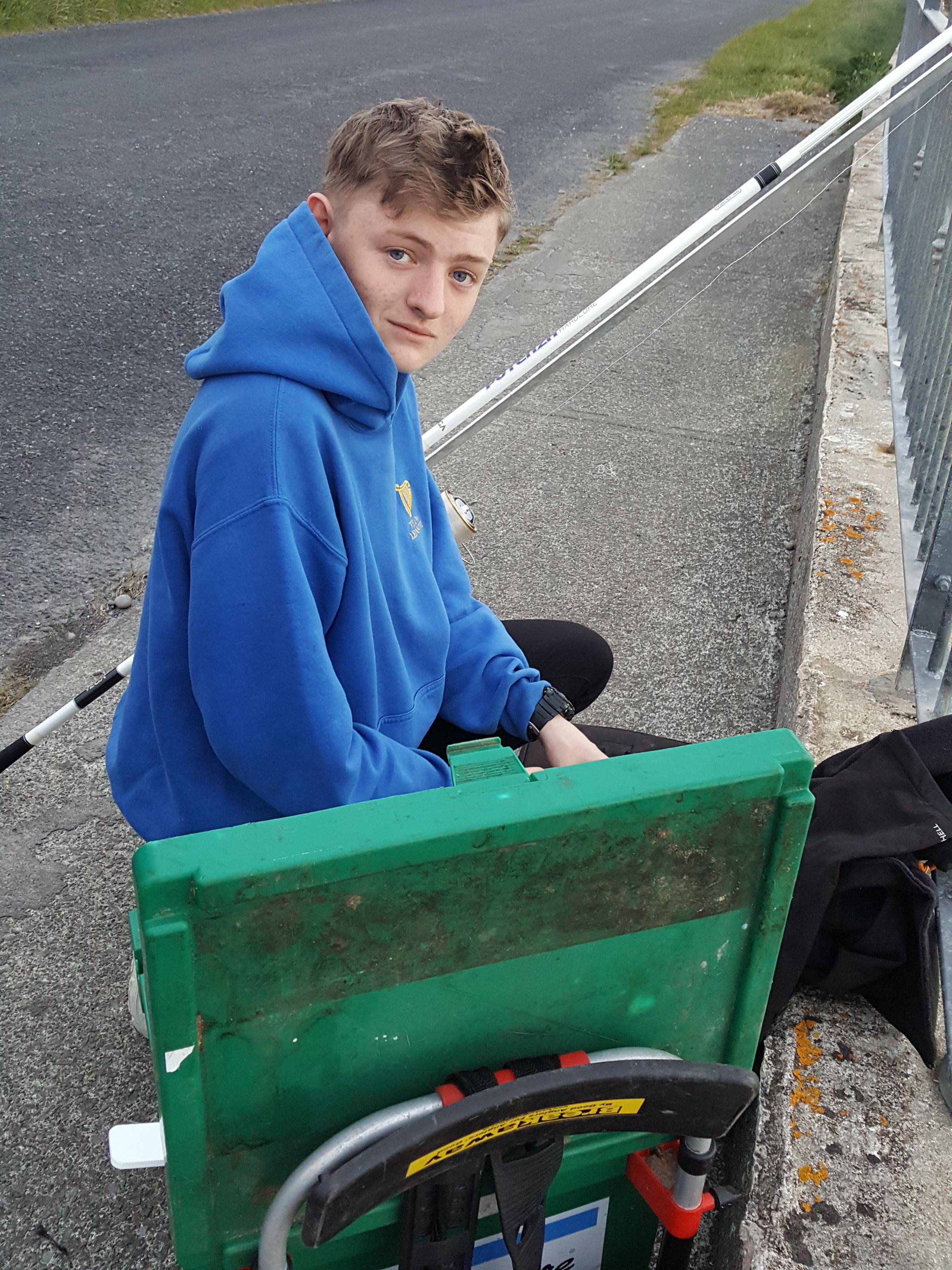
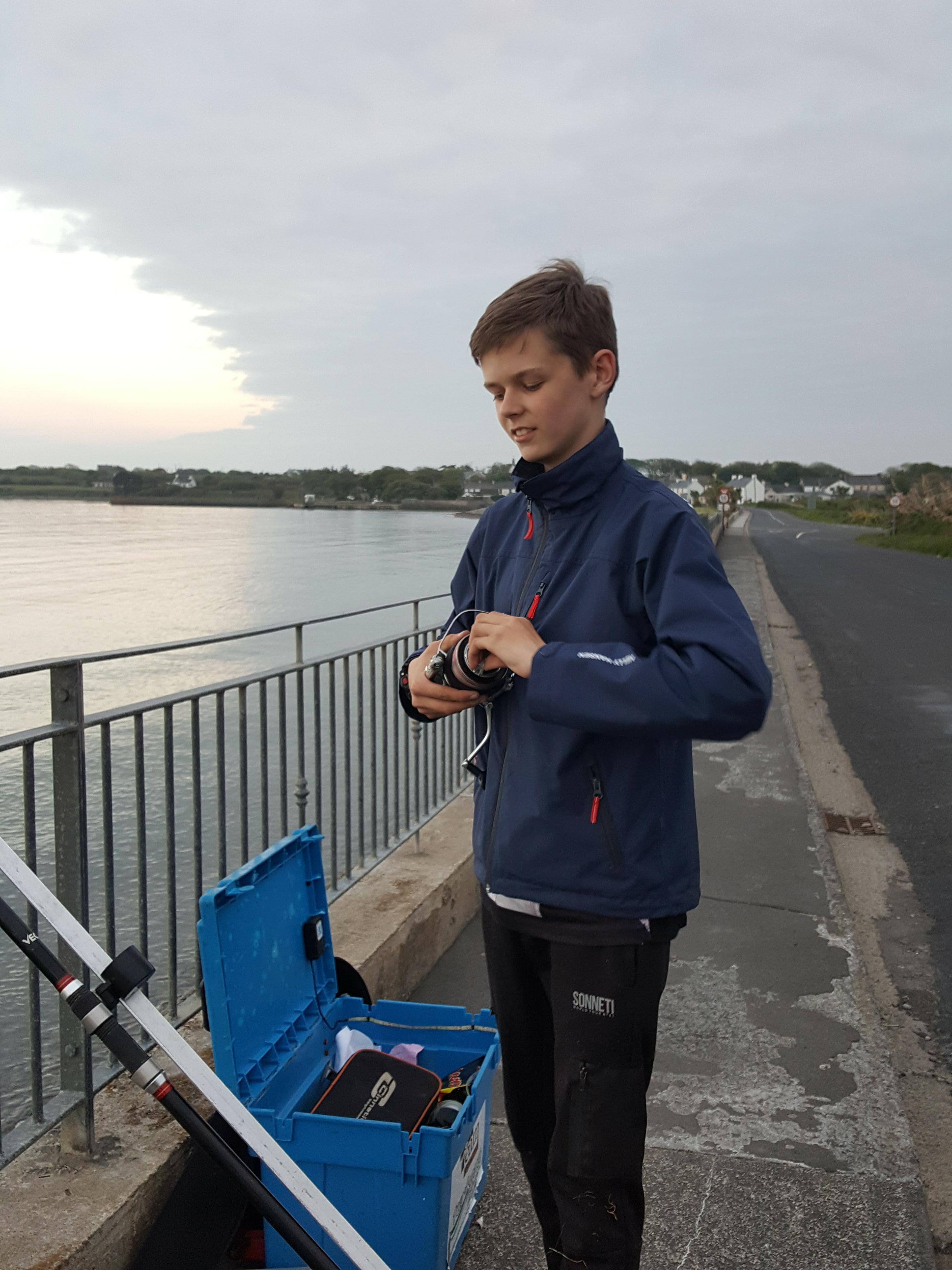
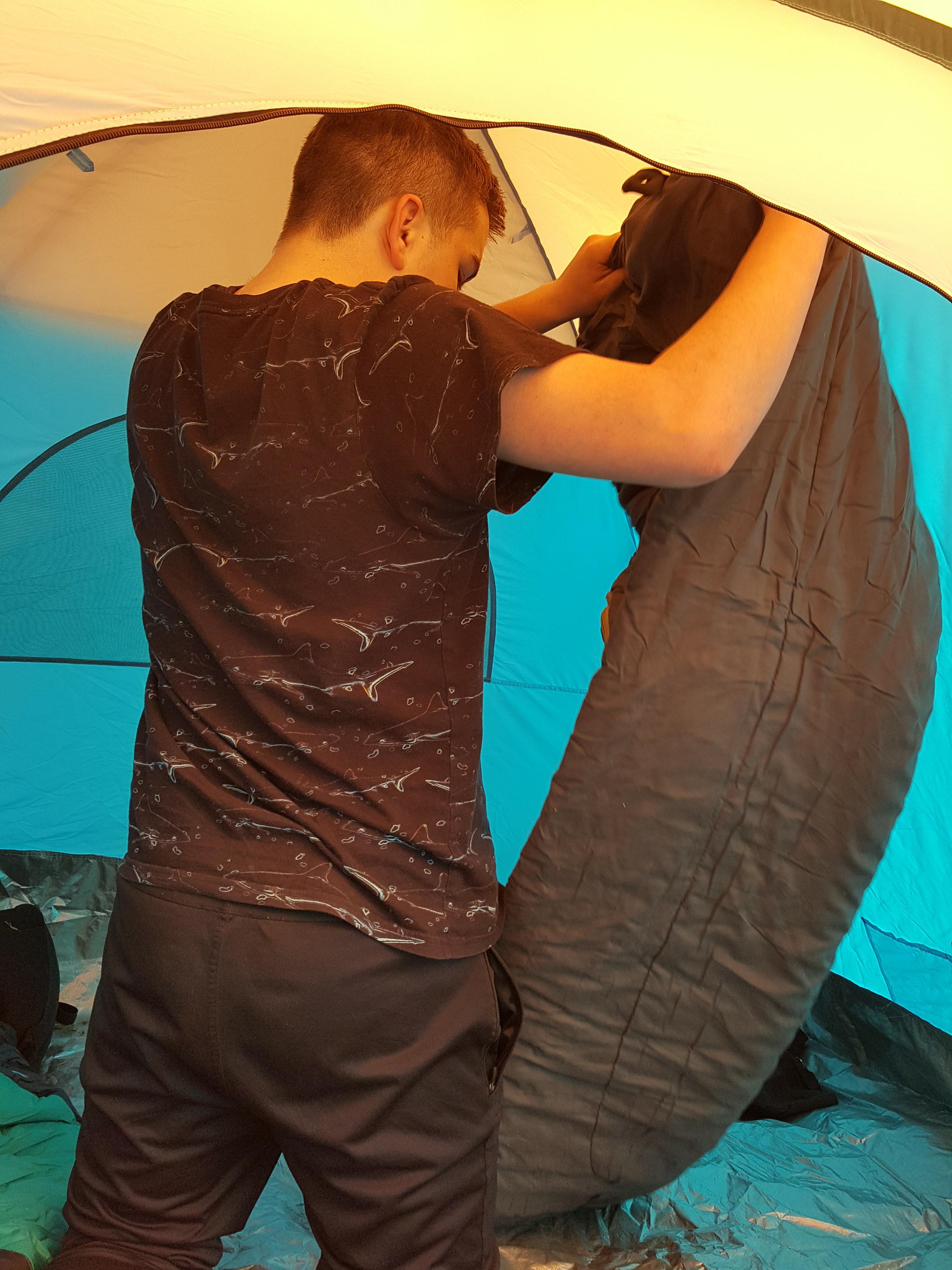
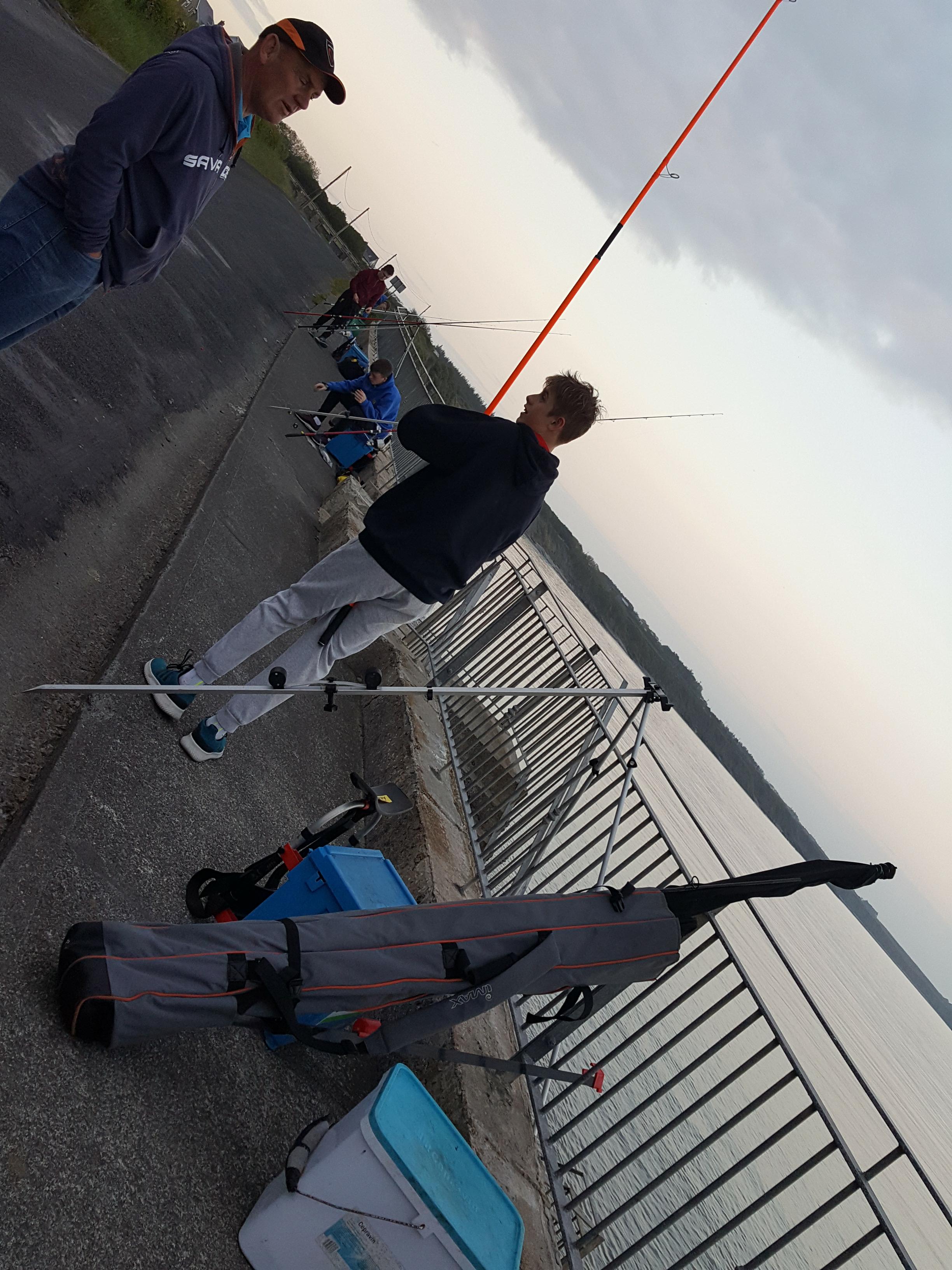
The Home Nations this year will take place in Scotland this year in July. In preparation for the competition the U 16 team got together for a team bonding weekend in Carrigaholt in May.

The team are extremely dedicated to the sport and enjoyed a weekend of discussion, camping and fishing. The weather was in their favour and they tried a variety of marks over three days. On the Saturday Shannon Town Sea Angling Club invited the team to fish with them in a competition in Poulnasherry Bay.

Joe Byrne the IFSA national Youth Officer spent the whole weekend with the boys, and along with other IFSA members to help, they had a very successful outing. The Team and coaches put a huge amount of time in to getting prepared for competition. We are looking for partners to help our international teams as participants and coaches have to raise their own funding to travel overseas.

https://www.anglingcouncil.ie/wp-content/uploads/2018/06/34344298_10213772472278452_7642649283937697792_n-1.jpg 2448 3264 Jonathan Rice https://www.anglingcouncil.ie/wp-content/uploads/2016/01/logo-nobg.png Jonathan Rice2018-06-13 20:43:232018-06-13 20:43:23IFSA Junior Home Nations Team 2018

IFSA/AFYDI Youth Initiation Day

13th June 2018/in Uncategorised/by Jonathan Rice

IFSA/AFYDI Youth Initiation Day

On May the 6th THE IFSA held a youth initiation day, this was held in two parts of the country, one in Antrim and one in Kerry. The host clubs, Glengormley and District SAC and Tralee Bay SAC organised the events which were extremely successful. Both clubs put a huge amount of work into the setting up of the event to ensure it ran smoothly.

Prior to the event advertising was the key to attracting new young people to become involved in the day and between the two clubs nearly forty juniors expressed interest and signed up.

The morning of sign up was fairly hectic with so many new to angling, health and safety was priority was of great importance to ensure the maximum was gained from the day. An entry fee was charged which covered the membership fee for each junior for the rest of the year to each club.

Glengormely and District SAC Held there day on Waterfoot where Lisa Gormley and Jim Snoddy gave an over view of the sport and helped everyone get set up. The juniors all thoroughly enjoyed the day and everyone caught fish. Other club members also got involved and it was very rewarding to see so many people involved.

Tralee Bay SAC went to Barrow and Alison O Sullivan AND Eugene Farrelly assisted the juniors to prepare for a day of fishing. There was a good number of fish caught and everyone went home happy.

Both events have created a lot of interest from those who took part and as each junior was an IFSA member they are able to fish with the club for the rest of the year. These type of days will raise the profile of the fantastic fishing these shores have to offer and will help us to reach out to those that do not fish and to those that do without affiliation to any organisation.

https://www.anglingcouncil.ie/wp-content/uploads/2018/06/34258638_10213764276393560_2647922431192203264_n.jpg 3264 2448 Jonathan Rice https://www.anglingcouncil.ie/wp-content/uploads/2016/01/logo-nobg.png Jonathan Rice2018-06-13 20:29:232018-06-13 20:45:41IFSA/AFYDI Youth Initiation Day

IFSA U16 Home Nations Team 2018

13th June 2018/in Uncategorised/by Jonathan Rice

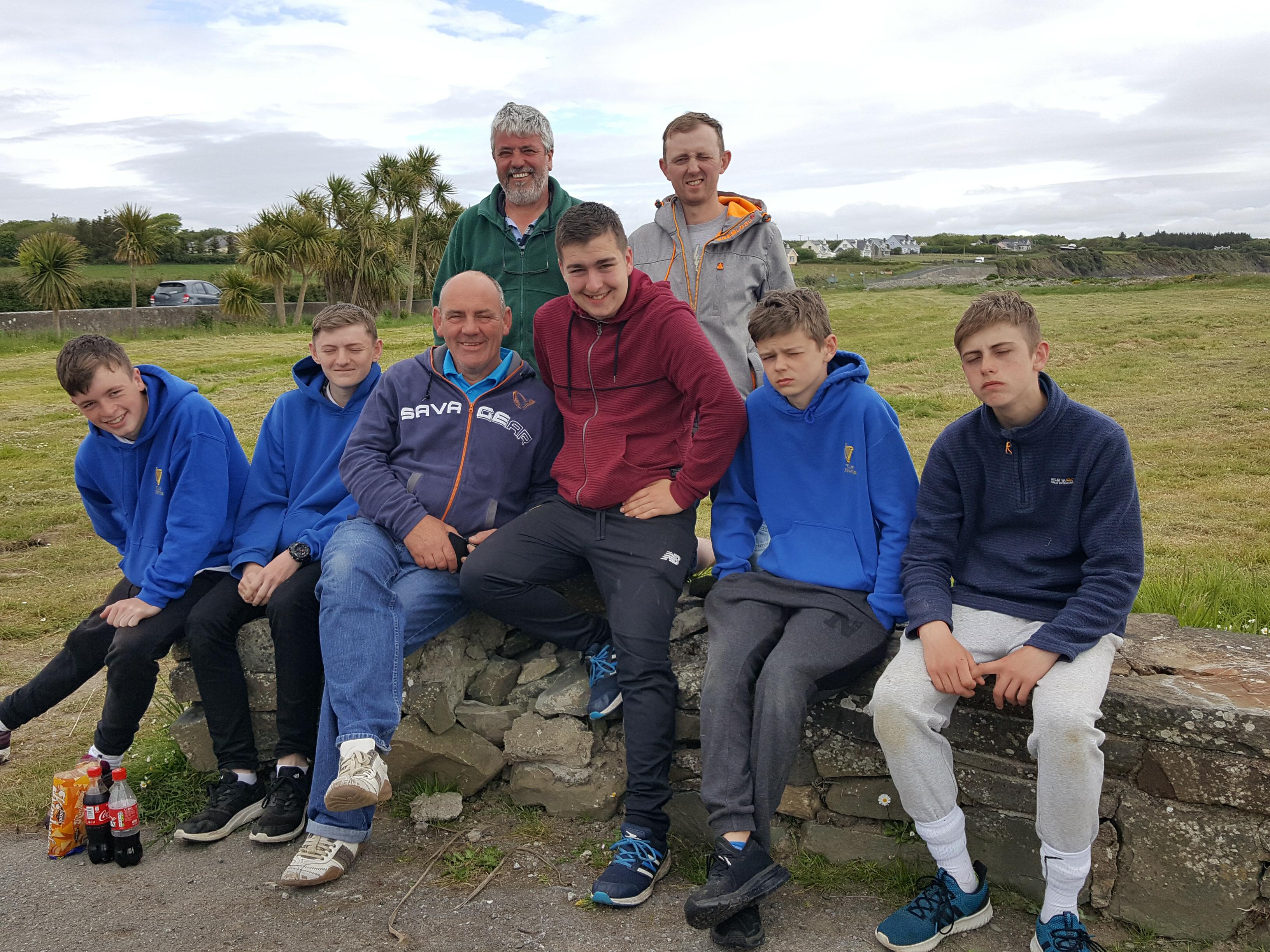
The team are from Left to Right Jake Melly, Darragh Byrne, Eoin Foley , Reece Marshal, Finn Healy .
The adults in the picture are Joe Byrne, Brian Cooke, John Marshal U16 Home Nations Shore Team 2018

IFSA U16 team that will travel to Scotland for the 2018 Home Nations Shore Championships. The time and commitment that these youngsters put in to master their craft is huge. Also credit to the fantastic coaching structure within IFSA who are leading these teams to glory around the globe. Best of Luck Guys.


https://www.anglingcouncil.ie/wp-content/uploads/2016/01/logo-nobg.png 0 0 Jonathan Rice https://www.anglingcouncil.ie/wp-content/uploads/2016/01/logo-nobg.png Jonathan Rice2018-06-13 20:14:402018-06-13 20:46:32IFSA U16 Home Nations Team 2018

Angling competition for people with disabilities June 2018

13th June 2018/in Uncategorised/by Jonathan Rice

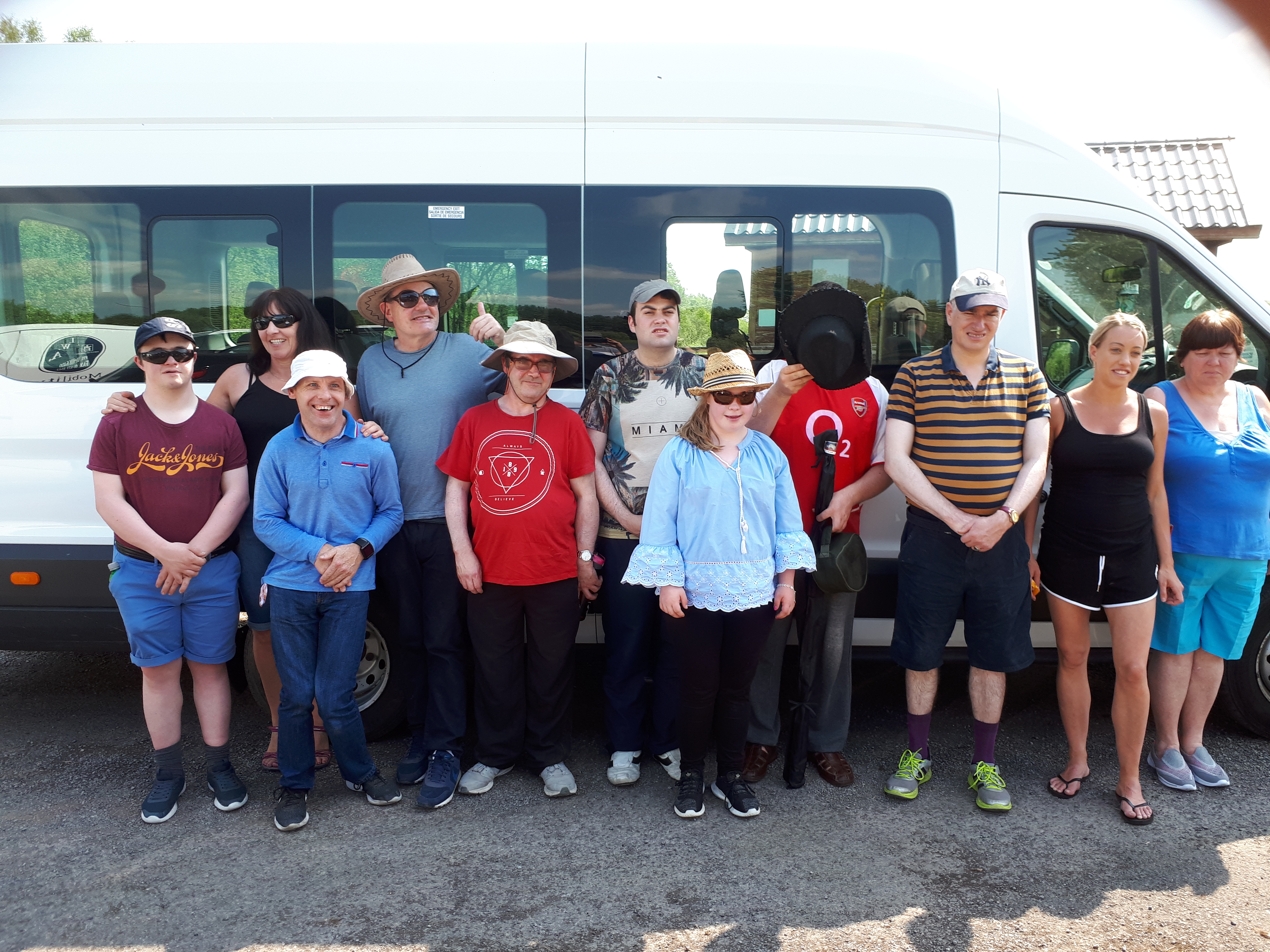
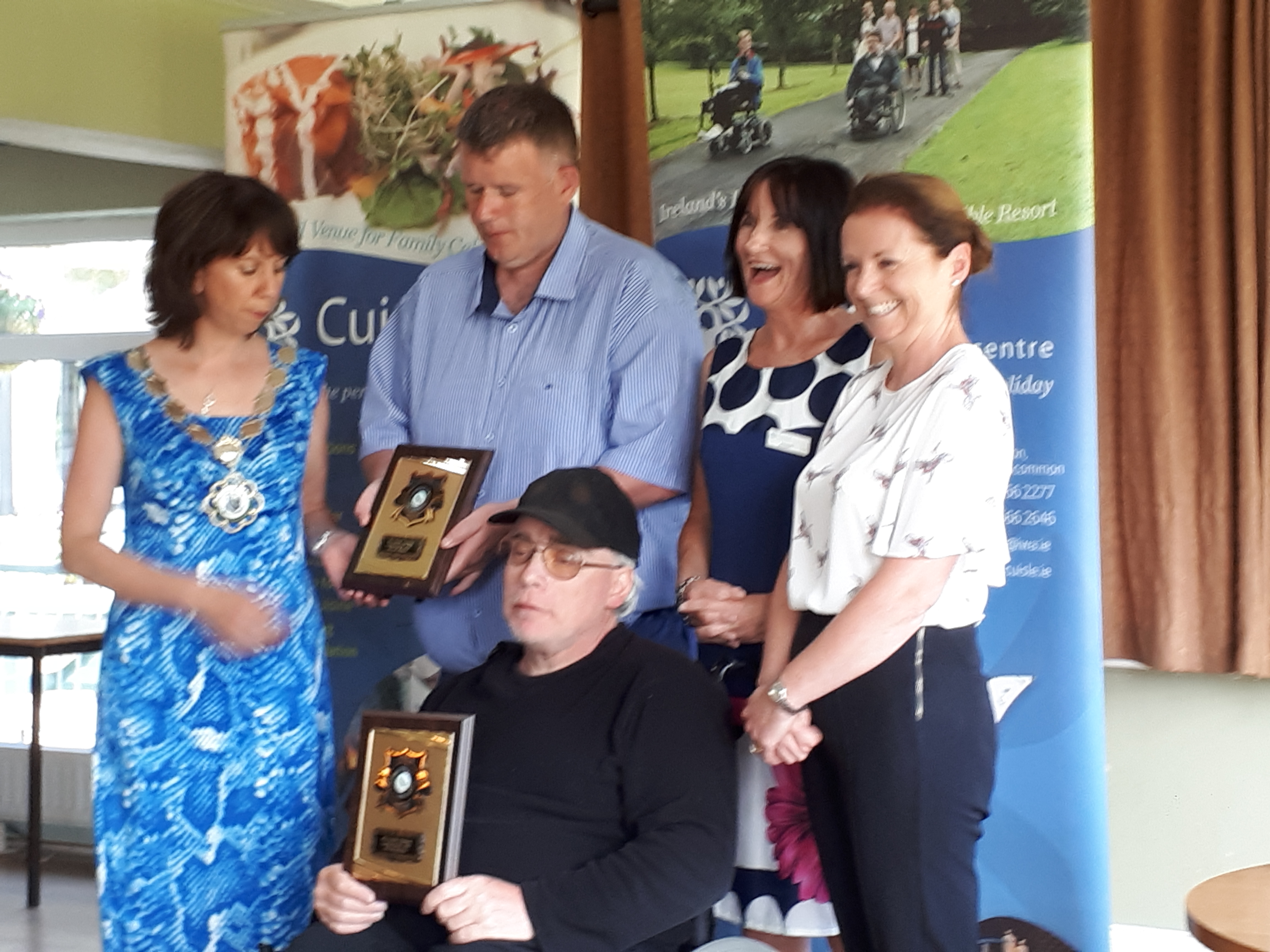
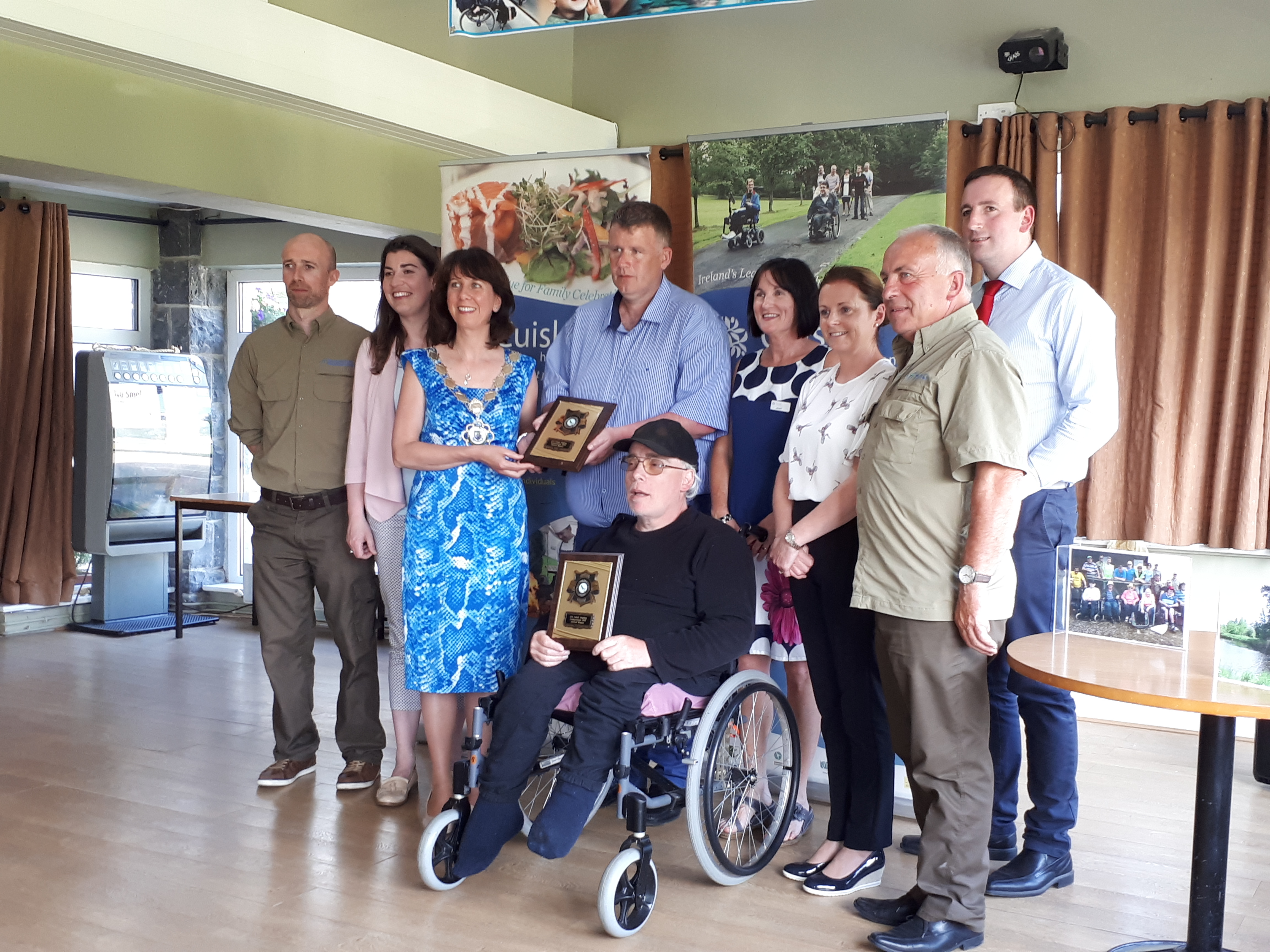
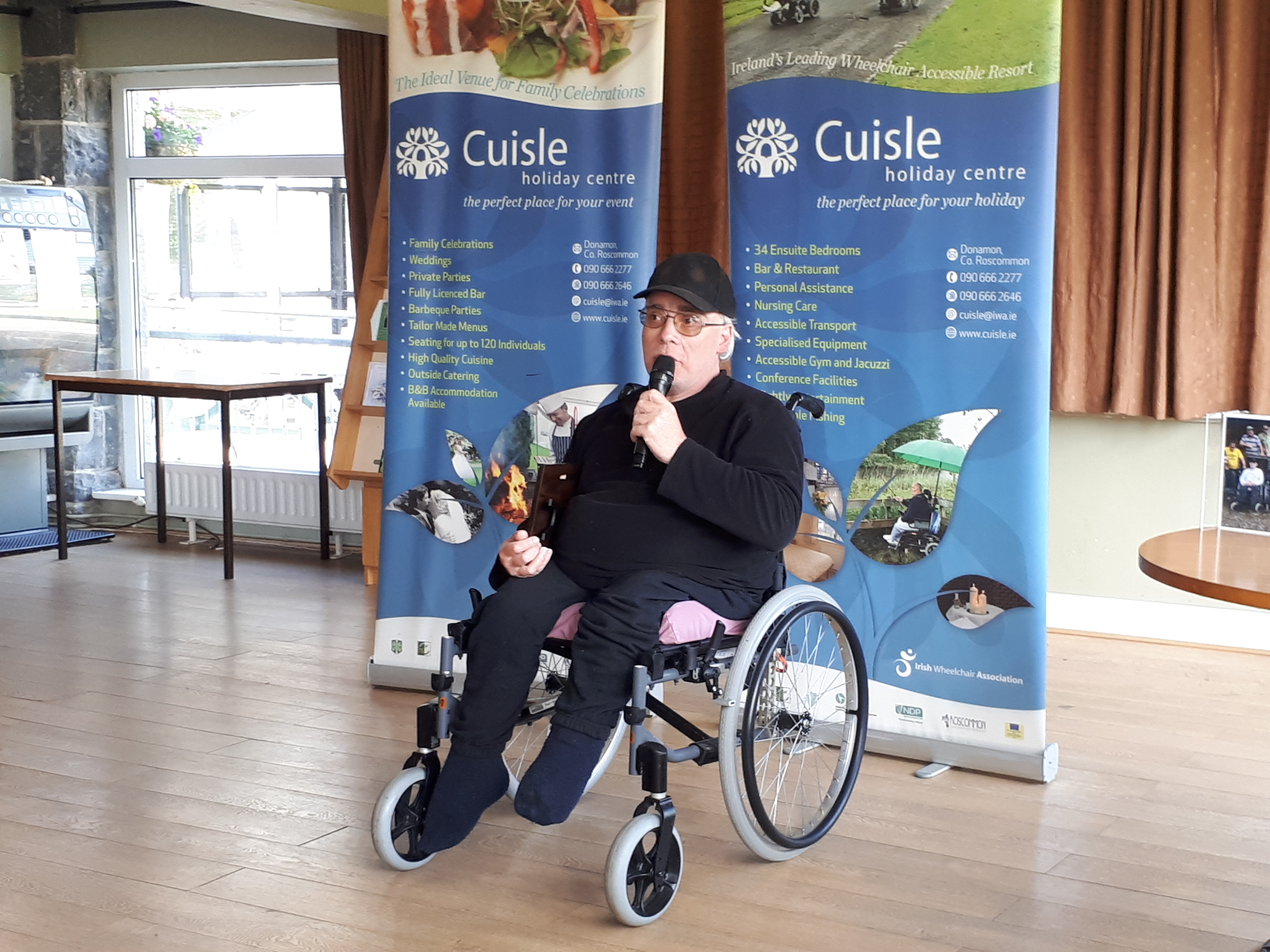
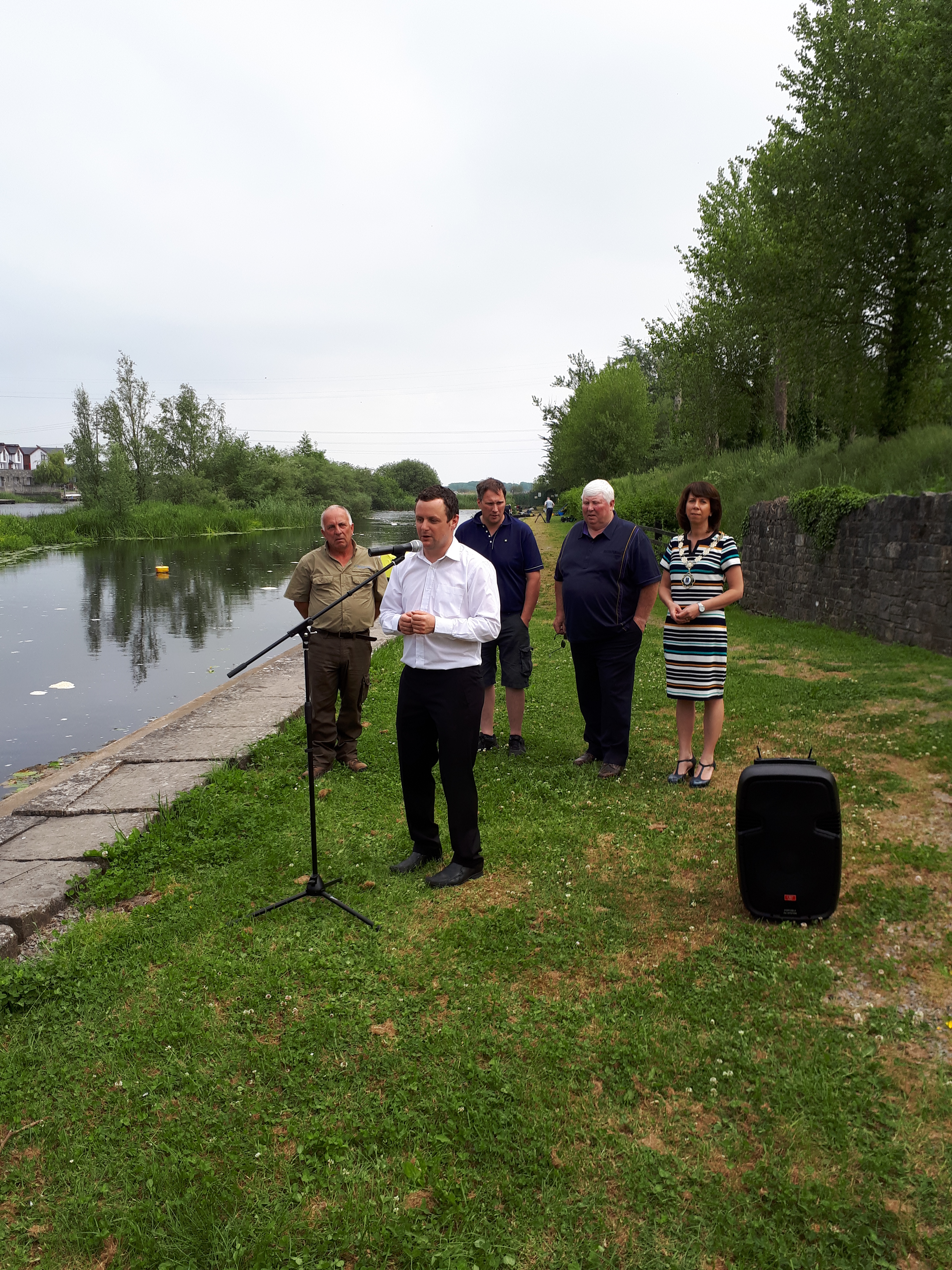
A two day fishing competition was held for people with disabilities over the June Bank holiday weekend. The venue for the competition was the river Suck at Dunamon, County Roscommon.

The event was very well attended and it was noted that all involved hailed it as a great success and agreed that the competition should become an annual event. Participants from Belfast, Limerick, Westmeath and Roscommon fished the competition this year and it will hopefully be represented by many other counties in 2019.

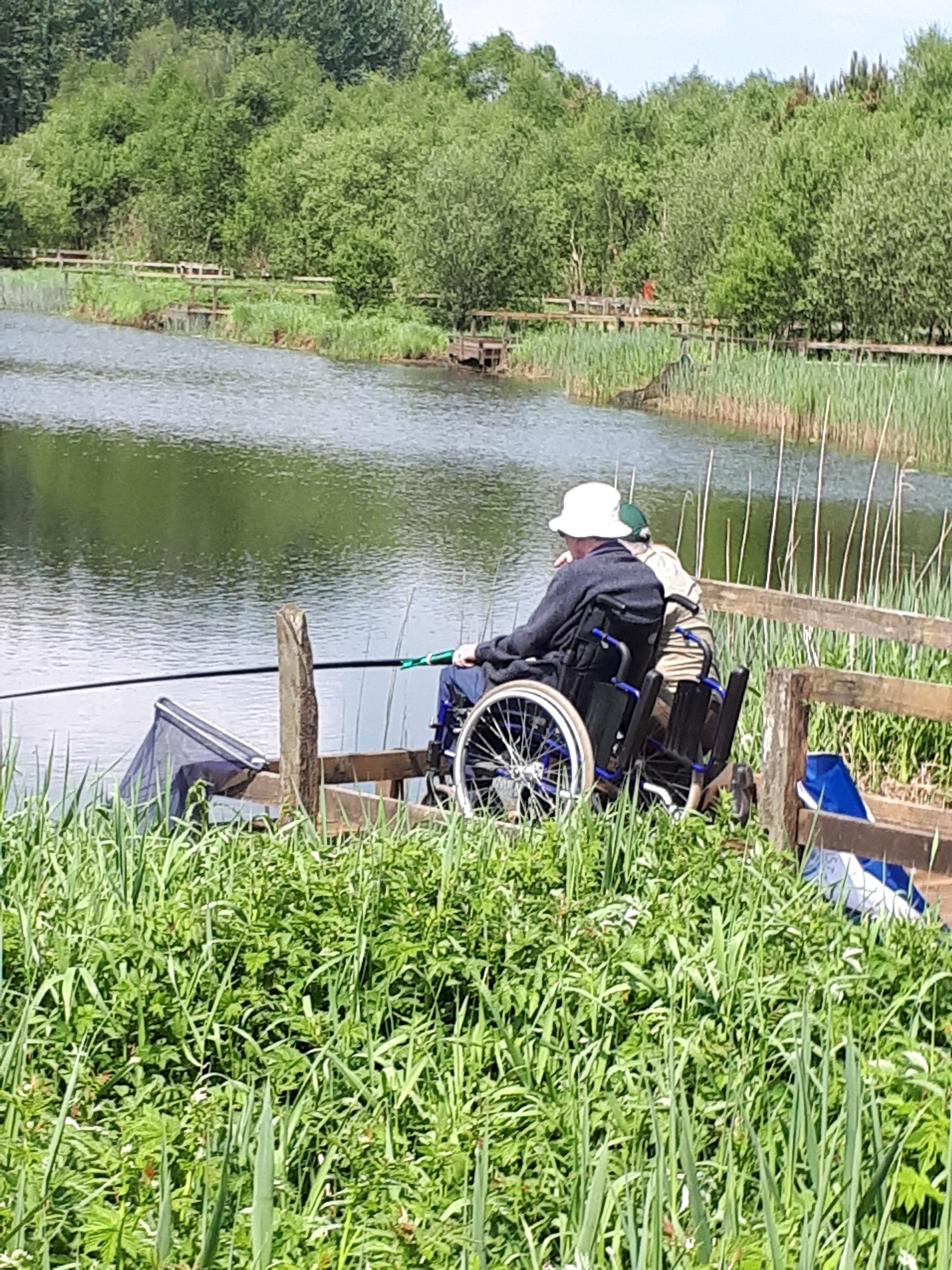
Everyone agreed that it was a most enjoyable event especially as there was fishing stands available that were constructed to accommodate people with disabilities, and the use of a disabled wheelchair accessible boat was well received over the few days.

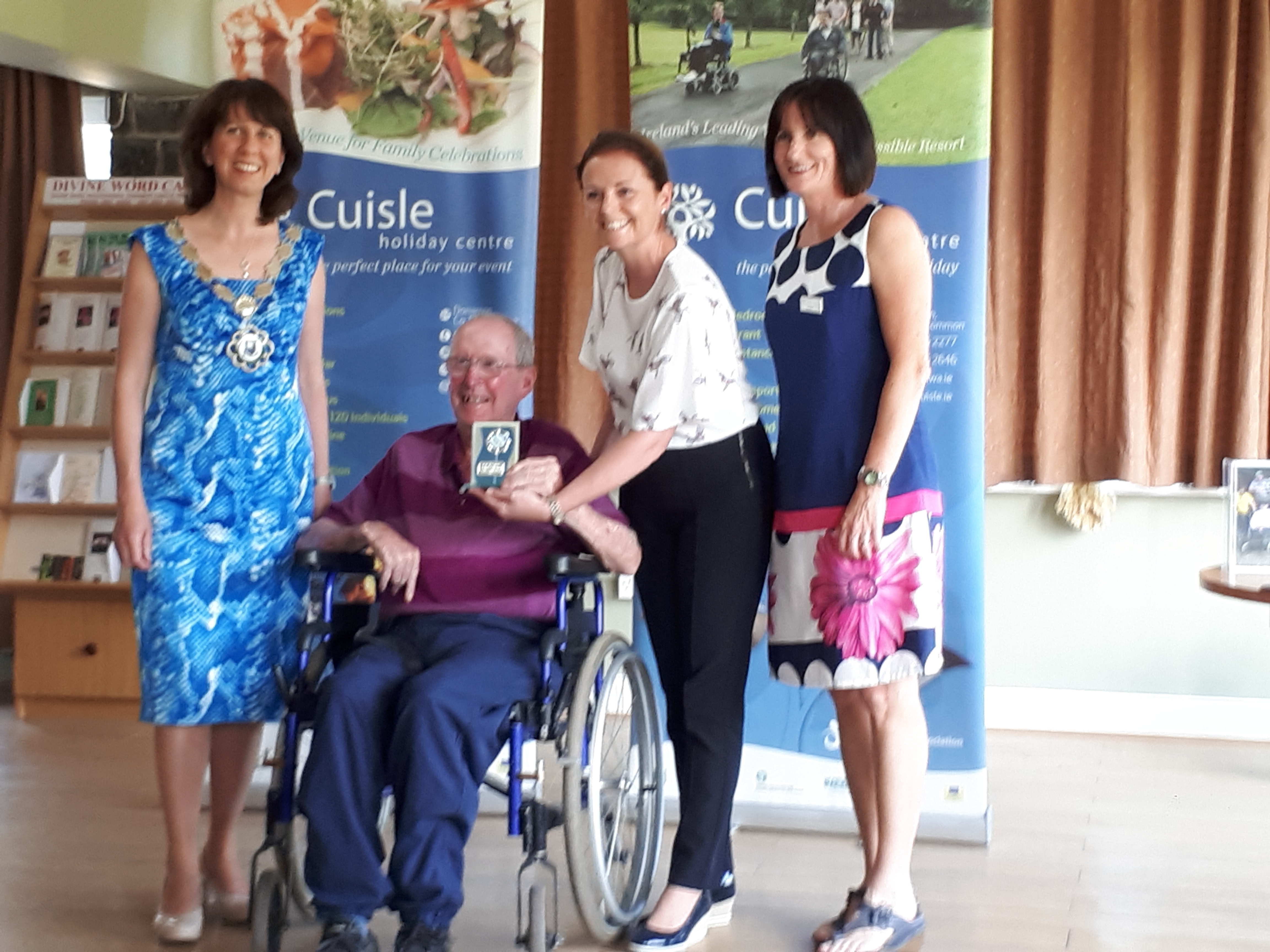
We would like to thank all of those involved in the success of the weekend. Sincere thanks to Inland fisheries Ireland, Angling Council of Ireland, Salmon and Sea Trout Recreational Anglers, The Irish Wheelchair Association and Cuisle Center Dunamon. Most importantly thank you to all of those that helped out on the day and congratulations to all that fished in the competition. We hope to see you back in 2019 for this competition.  Refreshments afterwards and presentation of prizes took place in the Cuisle Center Dunamon.


https://www.anglingcouncil.ie/wp-content/uploads/2016/01/logo-nobg.png 0 0 Jonathan Rice https://www.anglingcouncil.ie/wp-content/uploads/2016/01/logo-nobg.png Jonathan Rice2018-06-13 19:54:232018-06-13 19:55:18Angling competition for people with disabilities June 2018

National Strategy for Angling Development schemes now open for applications

13th June 2018/in Uncategorised/by Jonathan Rice

National Strategy for Angling Development schemes now open for applications

€550,000 fund available for habitat restoration and conservation projects


Tuesday 12th June 2018: Sean Kyne, TD, Minister with responsibility for inland fisheries, today announced that, as part of Inland Fisheries Ireland’s National Strategy for Angling Development, the Salmon Conservation and Midland Fisheries Funds are now open to projects for habitat restoration and conservation projects.

The closing date for applications to Inland Fisheries Ireland is 12th July 2018.

The National Strategy for Angling Development aims to ensure that Ireland’s fish stocks and angling infrastructure are protected and enhanced with a view to ensuring a sustainable habitat and delivering the economic, health and recreational benefits they offer to communities across Ireland.

Eligible project types for the Salmon Conservation and Midland Fisheries Funds 2018 are listed below.

The Salmon Conservation Fund is generated from the sale of salmon and sea-trout licences and reinvested in projects that will assist in the conservation of salmon.

Minister Kyne said: “As the Conservation Fund is financed via a portion of licence sales for both Salmon and Sea Trout, I asked IFI to develop a revised scheme that will include sea trout conservation projects and update the existing salmon-only scheme. As a first step to realising a full scheme for sea trout, this year’s fund is open to accepting a pilot sea trout project for the Waterville area.”

Applications to the Salmon Conservation and Midland Fisheries Funds must relate to conservation habitat improvement projects. Applications may be made online at https://ifi.smartsimple.ie/s_Login.jsp and are invited for projects that are ‘ready to go’, i.e. that have all the necessary paperwork and permissions in place and can move to delivery following successful progression through evaluation and award stages. Such projects would include, for example, a second or subsequent phase of a project. Successful applications must meet the requirements of the Inland Fisheries Ireland Environmental Assessment process – please see: http://www.fisheriesireland.ie/NSAD/environmental-assessment-process.html .

Inland Fisheries Ireland’s current priority is to ensure projects already awarded funding under the recent National Strategy for Angling Development schemes up to and including 2017 are completed and project officers continue to assist applicants to bring these projects to delivery phase. To this end, project officers are engaging with groups and other government agencies, Ready to go projects should be timed to complete by end of September 2018.

IFI is also asking the public to help protect and conserve the fisheries resource by reporting incidents or suspicions of illegal fishing to its confidential hotline number telephone 1890 34 74 24 or 1890 FISH 24.


ENDS


For media information:

Paul O’Mahony

Communications Manager

E: paul.omahony@fisheriesireland.ie

T: 353 (0) 1 884 2675


Notes for Editors:

About Inland Fisheries Ireland
Inland Fisheries Ireland is a statutory body operating under the aegis of the Department of Communications, Climate Action and Environment (DCCAE) and was established under the Fisheries Act on 1st July 2010. Its principal function is the protection and conservation of the inland fisheries resource. Inland Fisheries Ireland promotes, supports, facilitates and advises the Minister on the conservation, protection, management, development and improvement of inland fisheries, including sea angling. Inland Fisheries Ireland also develops policy and national strategies relating to inland fisheries and sea angling and advises the Minister on same.

Why Waterville?

Waterville has a unique stock of sea trout. Anglers and angling guides have observed substantial declines in sea trout catches in the Currane catchment over the past 2-3 years. IFI was notified of these poor catches in late 2017 and has prioritised an investigation to identify likely causes. This investigation and any remedial programme that may emerge from its findings has the support of the Waterville Lakes and Rivers Trust.

IFI acknowledges that sea trout stocks in other catchments have been under serious threat for decades and it is to this end that Minister Kyne has prioritised the inclusion of sea trout in any new scheme. The new scheme will provide for applications from other catchments but the priority for 2018 is to deal with the acute problem in Waterville.


Eligible contributor/3rd party project types – 2018

For 2018, the scheme is limited to the following for both funding avenues:

  • Fish passage improvement (e.g. removal of barriers, modification of weirs, and construction of fish passes etc.)
  • Spawning enhancement (addition/raking of gravel or cleaning of existing substrates)
  • Instream structures (weirs, deflectors, rubble mats, random boulders etc.)
  • River Bank protection (soft engineering measures, log revetment etc.)
  • Fencing (protection of river banks including fences, stiles, cattle drinks etc.)
  • Riparian zone improvement (tree pruning and strategic tree planting)
  • Removal & control of exotic invasive species (e.g. Rhododendron, Japanese knotweed, Asian Clam, Chub etc.)
  • Feasibility studies/ development plans (which lead to future projects under the above headings to maximum of 80% funding or €2000 whichever is less). A maximum of five (5) studies only to be allowed.
  • Screening for Appropriate Assessment, to a maximum of €2000.  If this leads to a requirement for an Appropriate Assessment, three written quotes shall be required and may be funded at the discretion of Inland Fisheries Ireland.
https://www.anglingcouncil.ie/wp-content/uploads/2016/01/logo-nobg.png 0 0 Jonathan Rice https://www.anglingcouncil.ie/wp-content/uploads/2016/01/logo-nobg.png Jonathan Rice2018-06-13 19:45:252018-06-13 19:45:25National Strategy for Angling Development schemes now open for applications

Press Release from Inland Fisheries Ireland ‘Operation Ephemera’

27th April 2018/in Uncategorised/by Jonathan Rice

Inland Fisheries Ireland launches ‘Operation Ephemera’ focused on trout anglers during the upcoming ‘Mayfly Season’

Primary focus on six loughs in the West and five in the Shannon catchment


Thursday 26th April 2018: Inland Fisheries Ireland today announced the launch of a new campaign, ‘Operation Ephemera’, which is designed to alert anglers to the intensification of efforts to detect those who either take undersize trout or more trout than the rules allow.

Compliance with other relevant angling regulations and rules, including relevant permit conditions which pertain on certain lakes, will also be enforced.

Anglers found flaunting the law will receive a fixed charge penalty notice, which attracts a fine of €150 which, if remaining unpaid after 30 days, will result in prosecution.

The new campaign is specifically focused on anglers fishing for trout during the annual hatch of the mayfly and takes its name from the species name for the mayfly –Ephemera danica – which is traditionally associated with the ‘Mayfly Season’ on the prime wild brown trout limestone lakes in Ireland. It is, traditionally, the busiest time on the lakes when fish are feeding on the surface and are ‘easier’ to catch.

The lakes where the campaign will be focused will be: Loughs Corrib, Mask, Carra, Conn, Cullen and Arrow all in the West, and Loughs Sheelin, Owel, Ennell, Derravaragh and Ree in the Shannon catchment.

“Over recent years, we have been seeking the views of the angling public as to what they wanted IFI to do more of in terms of fisheries management in the coming years,” explained Greg Forde, Head of Operations at Inland Fisheries Ireland. “The theme that kept being repeated was that anglers wished to see more protection of the fisheries resource. Ultimately, there is a concern amongst anglers that not everyone on our lakes abide by the strict regulations that are in place to protect these extremely important wild brown trout and the mayfly period is when fish are most vulnerable.

“With ‘Operation Ephemera’, we are reminding anglers to familiarise themselves with the regulations pertaining to the lakes they are intending to fish and to abide by the law. We will also be highlighting the regulations and making leaflets available to anglers to help familiarise themselves with the rules.”

The campaign will be concentrated in May but with hatches being late in some areas this year, this may extend into June. It is appreciated that many anglers practice catch and release but where trout are permitted to be retained it is important that this is within the strict regulations for the respective lakes.

Anglers are also reminded that when fishing in a lake boat all passengers must wear a buoyancy aid or lifejacket.

Inland Fisheries Ireland is also asking the public to help protect and conserve the fisheries resource by reporting incidents or suspicions of illegal fishing to its confidential hotline number telephone 1890 34 74 24 or 1890 FISH 24.

https://www.anglingcouncil.ie/wp-content/uploads/2018/04/download-e1524861412919.jpg 50 100 Jonathan Rice https://www.anglingcouncil.ie/wp-content/uploads/2016/01/logo-nobg.png Jonathan Rice2018-04-27 21:07:282018-06-02 20:10:40Press Release from Inland Fisheries Ireland ‘Operation Ephemera’

Salmon Watch Ireland Annual Conference: 21st April 2018 at 1100: Plaza Hotel, Tallaght, Dublin 24

6th April 2018/in Uncategorised/by Jonathan Rice

Salmon Watch Ireland Annual Conference: 21st April 2018 at 1100: Plaza Hotel, Tallagh, Dublin 24


The annual conference hosted by Salmon Watch Ireland on the 21 April 2018 examines the ongoing debate as to whether the wild Atlantic salmon has a future in Ireland. It is an opportunity for all persons interested in this unique fish to engage with those concerned with the management of the resource. There will also be an opportunity to view the remarkable film “Lost at Sea” which should promote a large degree of discussion as to why Atlantic salmon continue to struggle in Ireland and elsewhere. 

This year we have deliberately included a substantial period for discussion where views on how salmon abundance might once again be achieved. This will be an open forum where the views of the audience and panel of speakers on ‘What is to be done’ can be discussed.

Conference agenda

1100 – Opening

1115 – ‘The state of the Irish salmon population’ – Dr Ciaran Byrne, Chief Executive, Inland Fisheries Ireland.


1200 – ‘The drivers of the decline in the salmon population’ –Dr Ken Whelan, Director Research, Atlantic Salmon Trust.


1245 – Lunch and the showing of the documentary film‘Atlantic salmon – Lost at sea’.


1415 – ‘What is to be done’ – Discussion facilitated by Eamon Cusack, Vice President, Institute of Fisheries Management.


1530 – Conclusions – Niall Greene, Chair of the Board, Salmon Watch Ireland.

https://www.anglingcouncil.ie/wp-content/uploads/2016/01/logo-nobg.png 0 0 Jonathan Rice https://www.anglingcouncil.ie/wp-content/uploads/2016/01/logo-nobg.png Jonathan Rice2018-04-06 15:07:042018-04-06 15:08:23Salmon Watch Ireland Annual Conference: 21st April 2018 at 1100: Plaza Hotel, Tallaght, Dublin 24
Page 9 of 10«‹78910›

Categories

  • Anti-doping (2)
  • Coaching News (8)
  • Inland Fisheries News (3)
  • Latest News (10)
  • News (16)
  • Salmon News (2)
  • Sport Inclusion (1)
  • Uncategorised (92)

Latest News

  • Coolmine South Drug & Alcohol Addiction Treatment Centre, were winners of a Pride of Cork Award on Sunday last.22nd October 2025 - 3:25 pm
  • ACI & SSTRAI were with Westmeath Sports Partnership at Cloghan Lake yesterday delivering the ACI CAST Skills Programme22nd October 2025 - 3:07 pm
  • Sport Inclusion Disability Charter22nd October 2024 - 1:21 am

Facebook

Twitter

Tweets by @AnglingCouncil
© Copyright - Angling Council of Ireland |Web Development by Digital Ideas
  • Link to X
  • Link to Facebook
Scroll to top Scroll to top Scroll to top