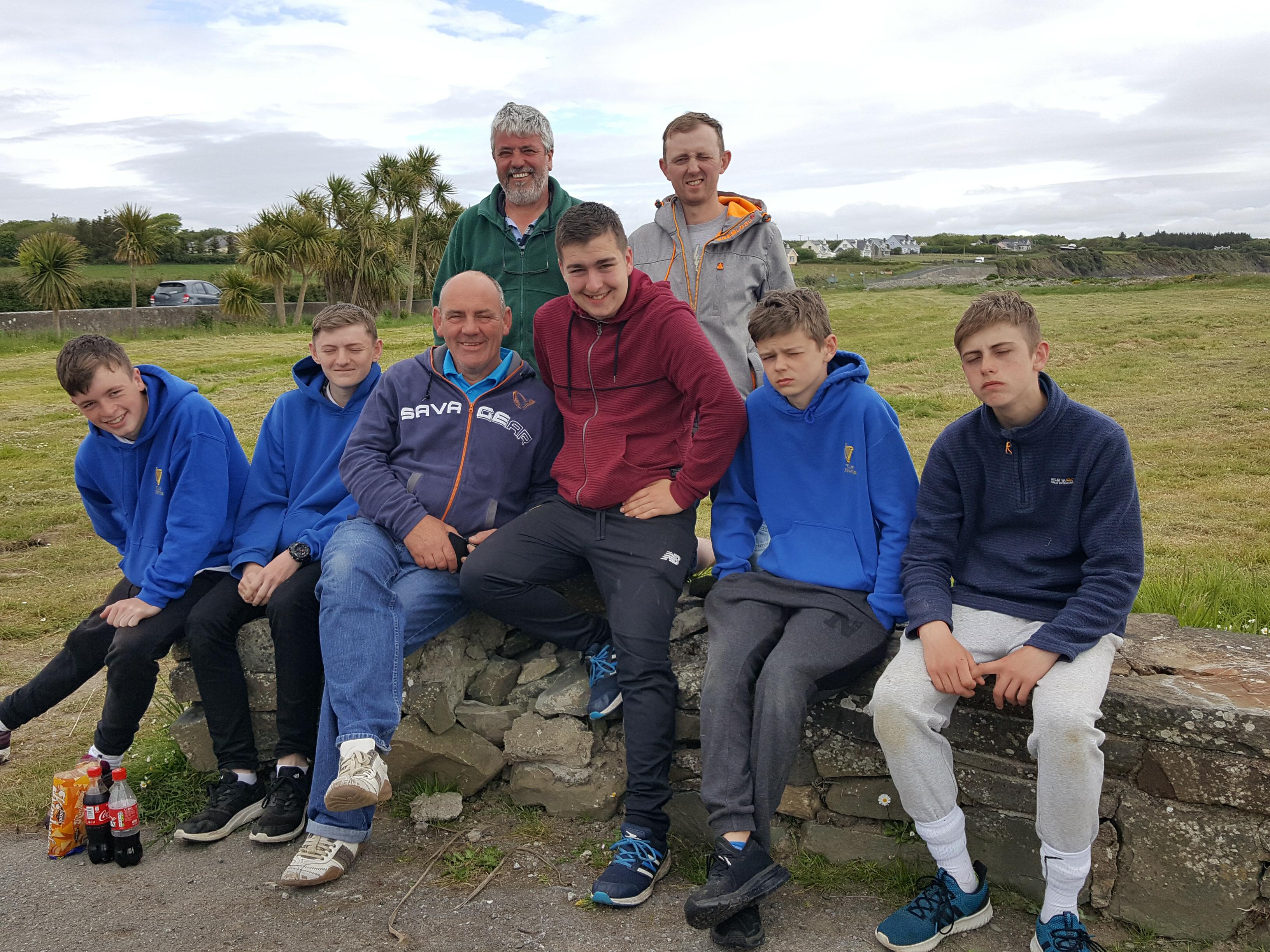
IFSA U16 Home Nations Team 2018

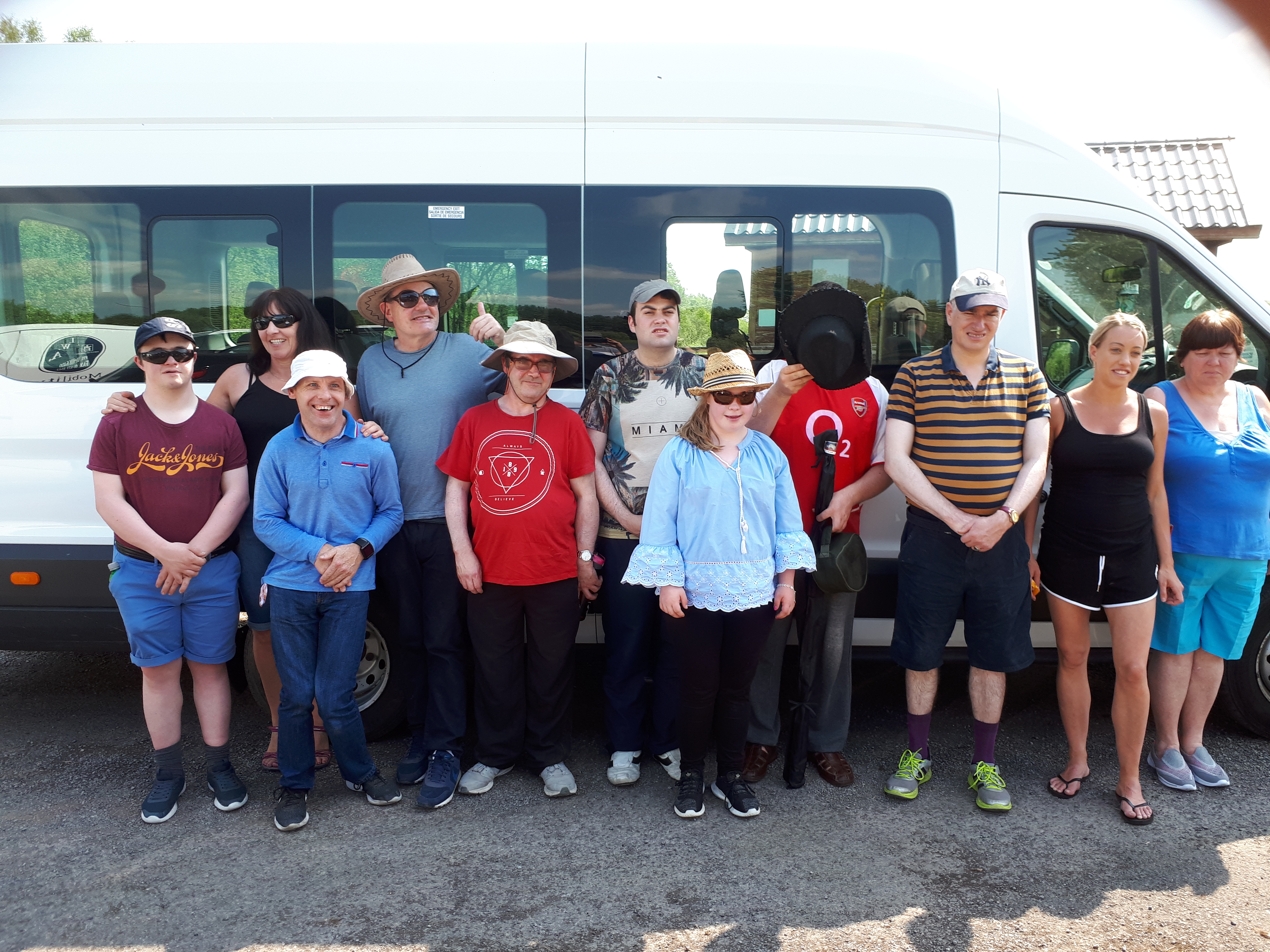
The team are from Left to Right Jake Melly, Darragh Byrne, Eoin Foley , Reece Marshal, Finn Healy .
The adults in the picture are Joe Byrne, Brian Cooke, John Marshal U16 Home Nations Shore Team 2018

IFSA U16 team that will travel to Scotland for the 2018 Home Nations Shore Championships. The time and commitment that these youngsters put in to master their craft is huge. Also credit to the fantastic coaching structure within IFSA who are leading these teams to glory around the globe. Best of Luck Guys.


Angling competition for people with disabilities June 2018

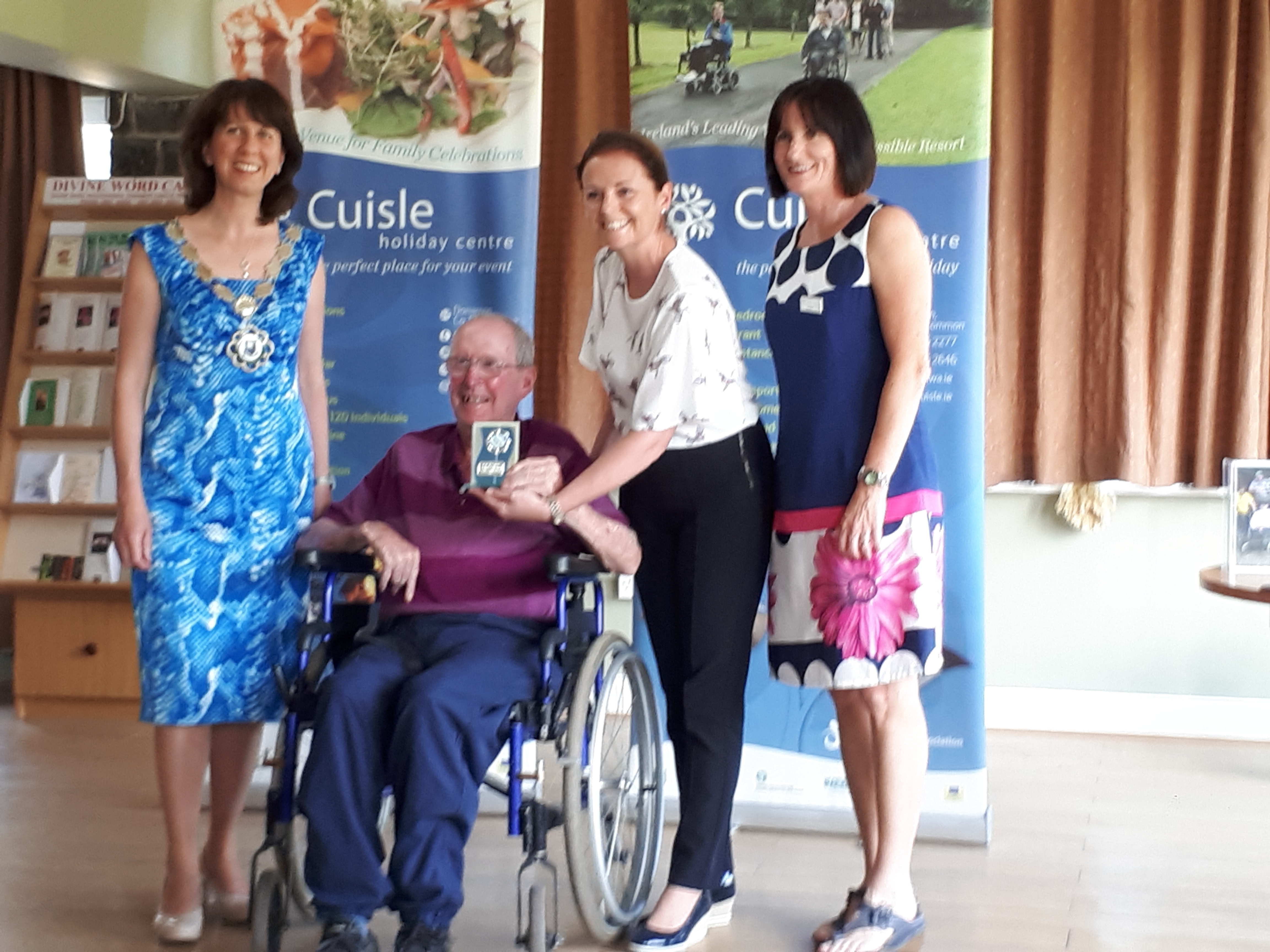
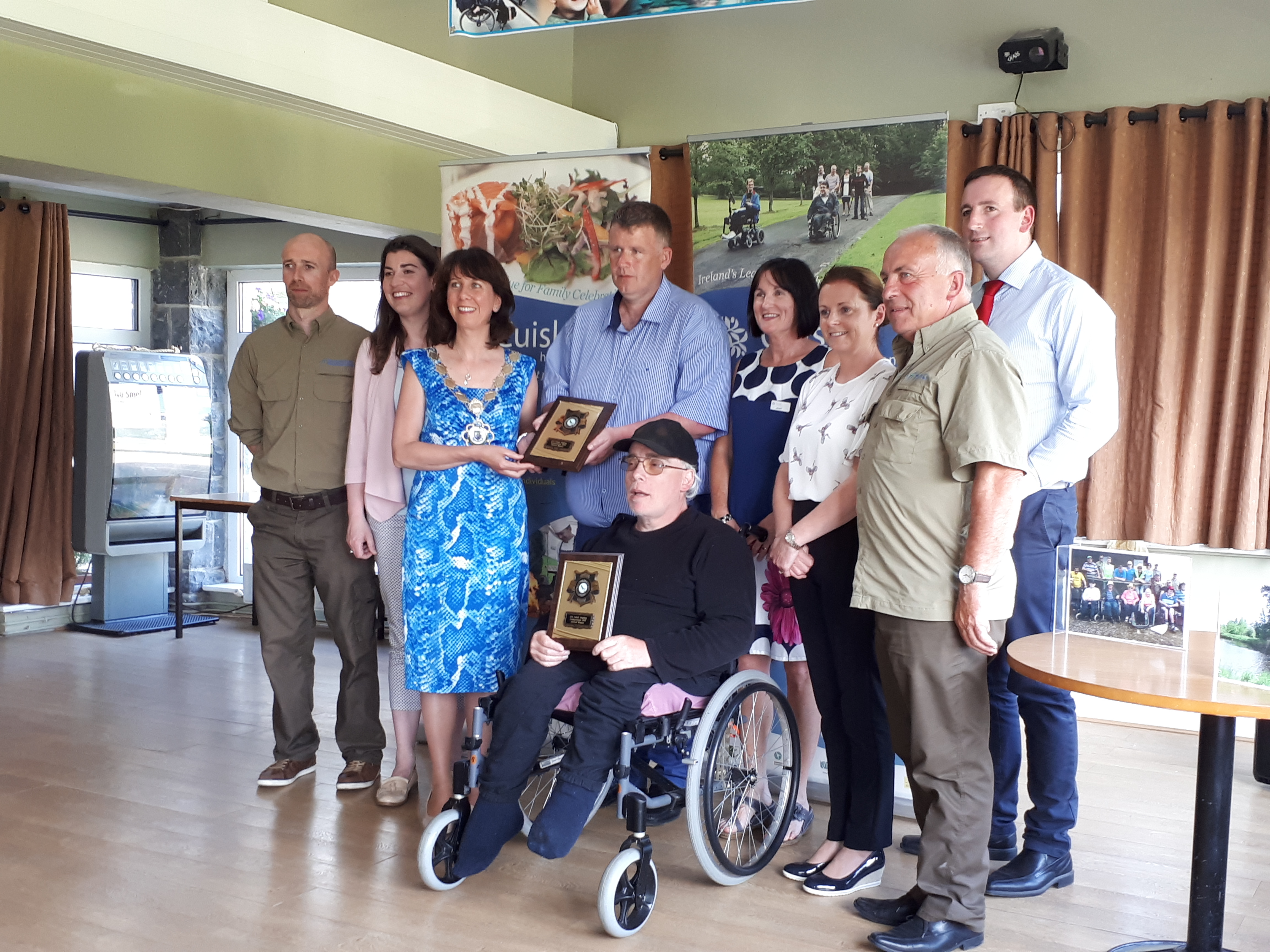
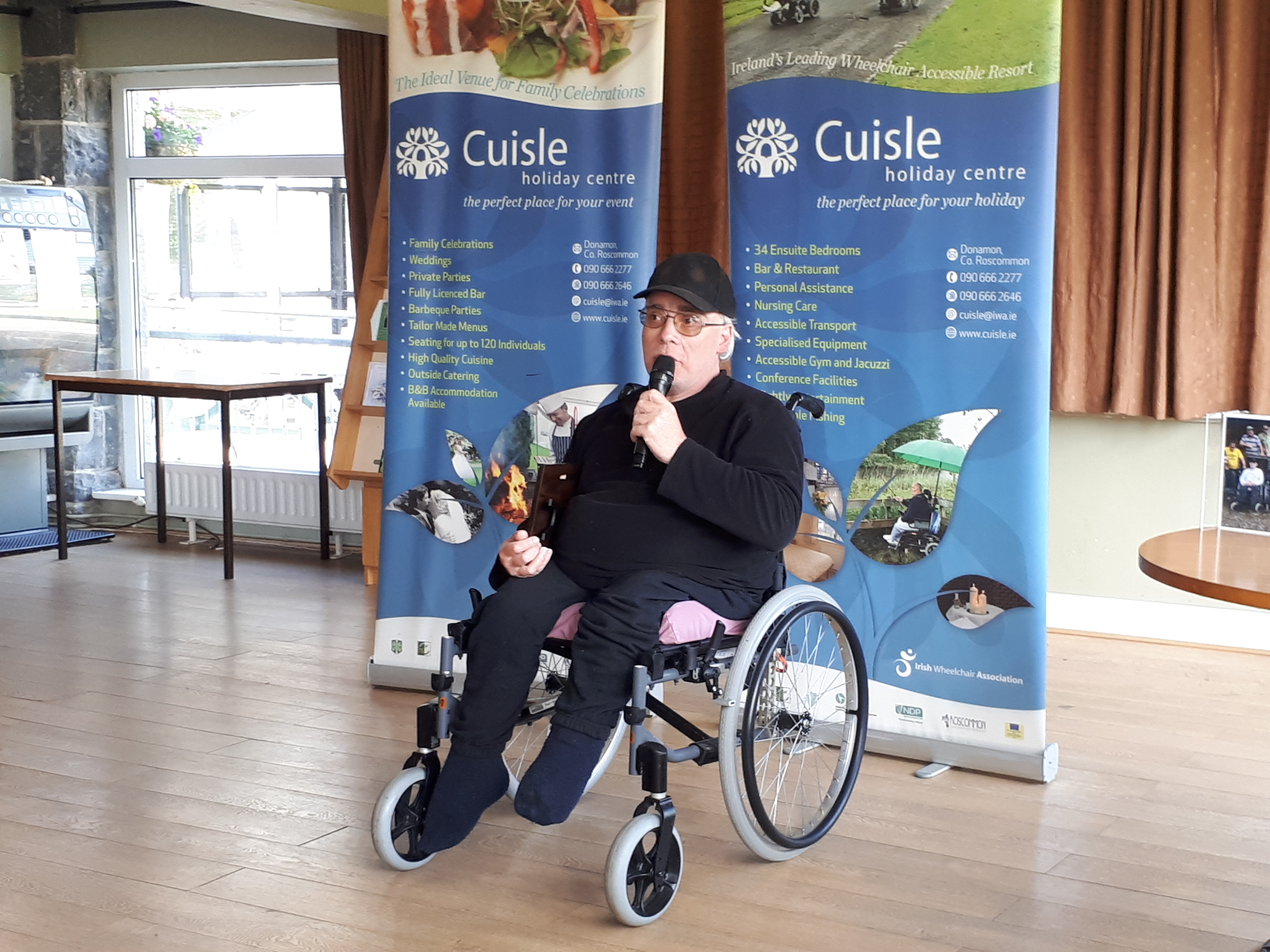
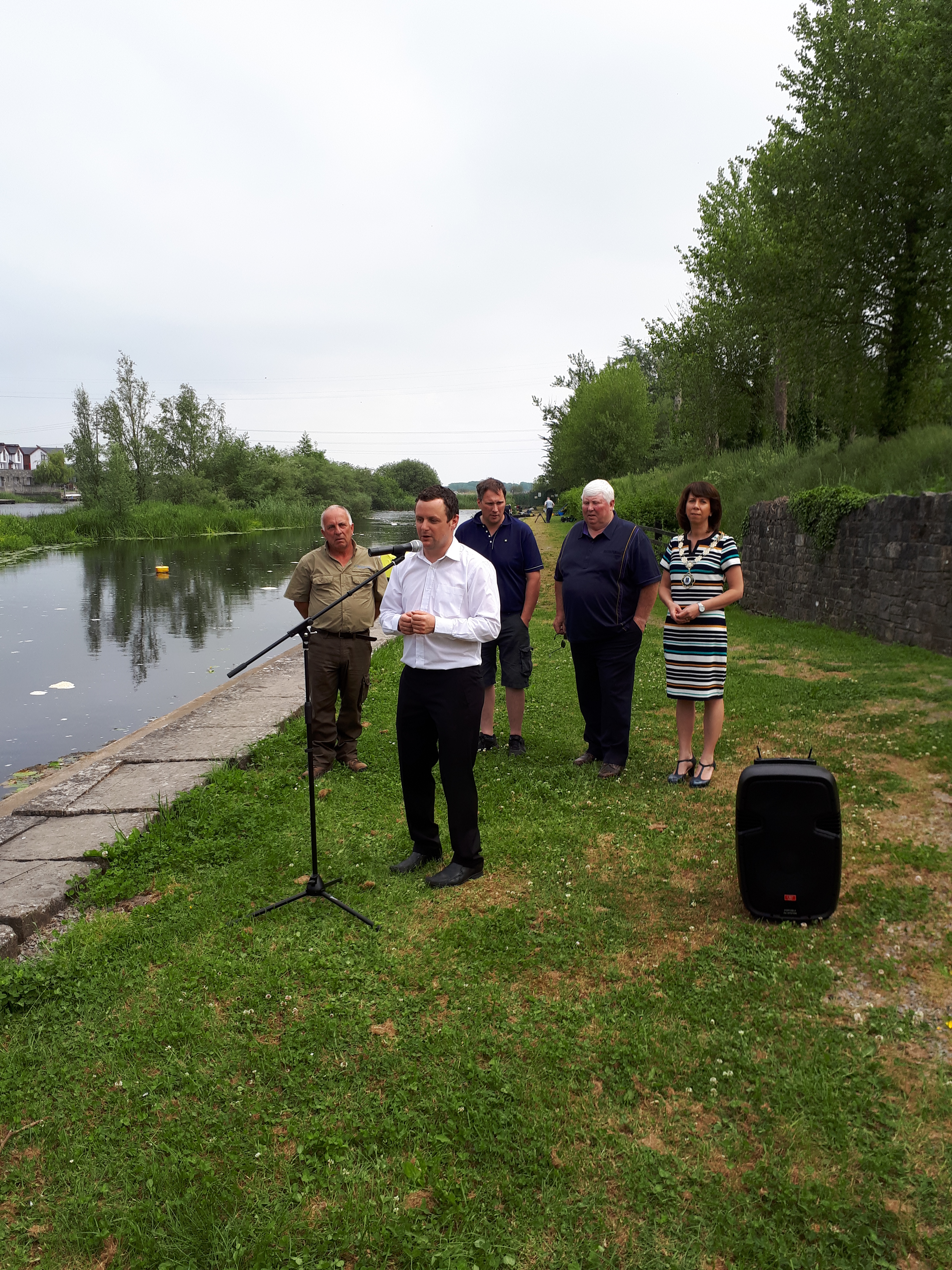
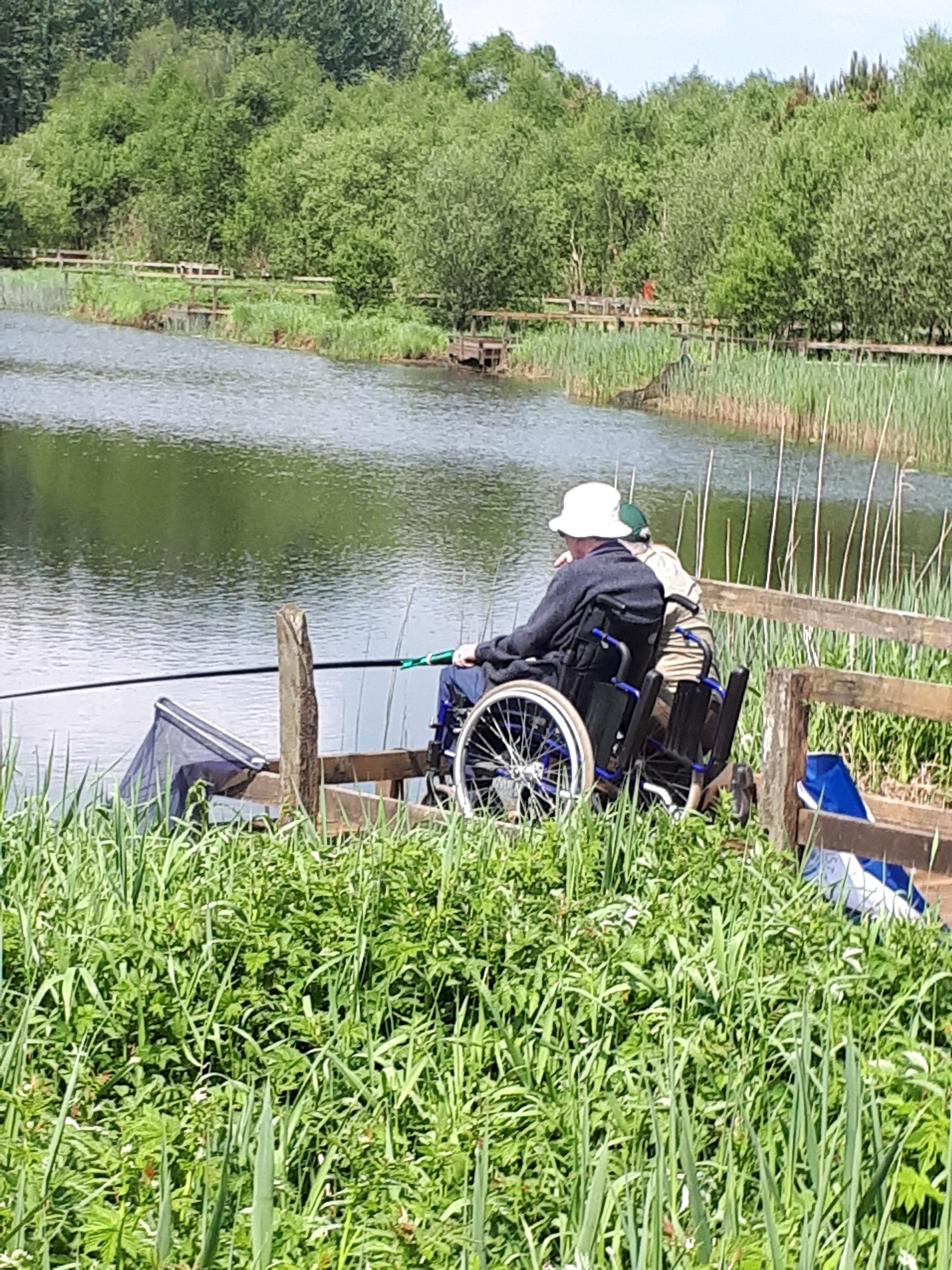
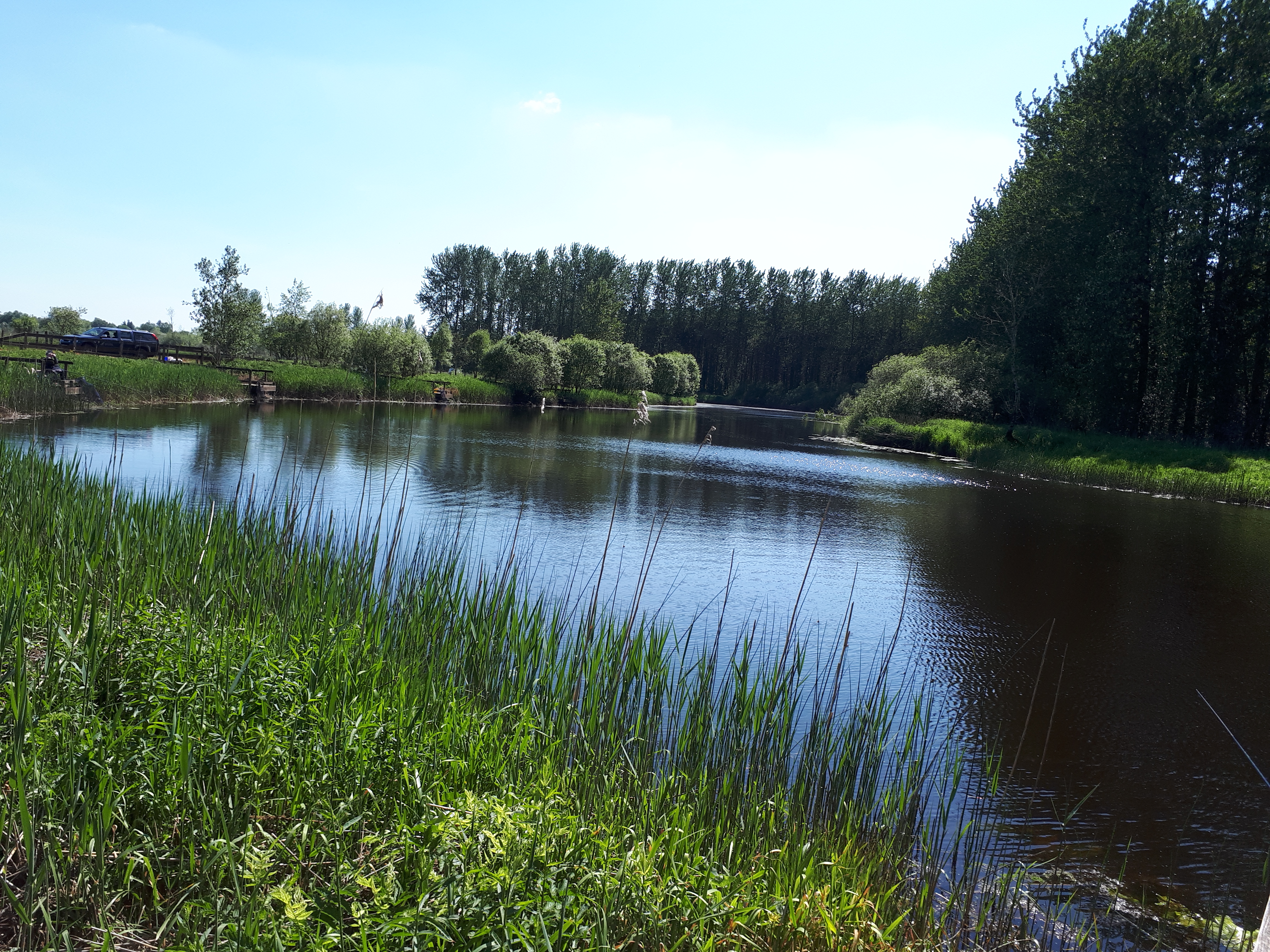
A two day fishing competition was held for people with disabilities over the June Bank holiday weekend. The venue for the competition was the river Suck at Dunamon, County Roscommon.

The event was very well attended and it was noted that all involved hailed it as a great success and agreed that the competition should become an annual event. Participants from Belfast, Limerick, Westmeath and Roscommon fished the competition this year and it will hopefully be represented by many other counties in 2019.

Everyone agreed that it was a most enjoyable event especially as there was fishing stands available that were constructed to accommodate people with disabilities, and the use of a disabled wheelchair accessible boat was well received over the few days.

We would like to thank all of those involved in the success of the weekend. Sincere thanks to Inland fisheries Ireland, Angling Council of Ireland, Salmon and Sea Trout Recreational Anglers, The Irish Wheelchair Association and Cuisle Center Dunamon. Most importantly thank you to all of those that helped out on the day and congratulations to all that fished in the competition. We hope to see you back in 2019 for this competition.  Refreshments afterwards and presentation of prizes took place in the Cuisle Center Dunamon.


National Strategy for Angling Development schemes now open for applications

National Strategy for Angling Development schemes now open for applications

€550,000 fund available for habitat restoration and conservation projects


Tuesday 12th June 2018: Sean Kyne, TD, Minister with responsibility for inland fisheries, today announced that, as part of Inland Fisheries Ireland’s National Strategy for Angling Development, the Salmon Conservation and Midland Fisheries Funds are now open to projects for habitat restoration and conservation projects.

The closing date for applications to Inland Fisheries Ireland is 12th July 2018.

The National Strategy for Angling Development aims to ensure that Ireland’s fish stocks and angling infrastructure are protected and enhanced with a view to ensuring a sustainable habitat and delivering the economic, health and recreational benefits they offer to communities across Ireland.

Eligible project types for the Salmon Conservation and Midland Fisheries Funds 2018 are listed below.

The Salmon Conservation Fund is generated from the sale of salmon and sea-trout licences and reinvested in projects that will assist in the conservation of salmon.

Minister Kyne said: “As the Conservation Fund is financed via a portion of licence sales for both Salmon and Sea Trout, I asked IFI to develop a revised scheme that will include sea trout conservation projects and update the existing salmon-only scheme. As a first step to realising a full scheme for sea trout, this year’s fund is open to accepting a pilot sea trout project for the Waterville area.”

Applications to the Salmon Conservation and Midland Fisheries Funds must relate to conservation habitat improvement projects. Applications may be made online at https://ifi.smartsimple.ie/s_Login.jsp and are invited for projects that are ‘ready to go’, i.e. that have all the necessary paperwork and permissions in place and can move to delivery following successful progression through evaluation and award stages. Such projects would include, for example, a second or subsequent phase of a project. Successful applications must meet the requirements of the Inland Fisheries Ireland Environmental Assessment process – please see: http://www.fisheriesireland.ie/NSAD/environmental-assessment-process.html .

Inland Fisheries Ireland’s current priority is to ensure projects already awarded funding under the recent National Strategy for Angling Development schemes up to and including 2017 are completed and project officers continue to assist applicants to bring these projects to delivery phase. To this end, project officers are engaging with groups and other government agencies, Ready to go projects should be timed to complete by end of September 2018.

IFI is also asking the public to help protect and conserve the fisheries resource by reporting incidents or suspicions of illegal fishing to its confidential hotline number telephone 1890 34 74 24 or 1890 FISH 24.


ENDS


For media information:

Paul O’Mahony

Communications Manager

E: paul.omahony@fisheriesireland.ie

T: 353 (0) 1 884 2675


Notes for Editors:

About Inland Fisheries Ireland
Inland Fisheries Ireland is a statutory body operating under the aegis of the Department of Communications, Climate Action and Environment (DCCAE) and was established under the Fisheries Act on 1st July 2010. Its principal function is the protection and conservation of the inland fisheries resource. Inland Fisheries Ireland promotes, supports, facilitates and advises the Minister on the conservation, protection, management, development and improvement of inland fisheries, including sea angling. Inland Fisheries Ireland also develops policy and national strategies relating to inland fisheries and sea angling and advises the Minister on same.

Why Waterville?

Waterville has a unique stock of sea trout. Anglers and angling guides have observed substantial declines in sea trout catches in the Currane catchment over the past 2-3 years. IFI was notified of these poor catches in late 2017 and has prioritised an investigation to identify likely causes. This investigation and any remedial programme that may emerge from its findings has the support of the Waterville Lakes and Rivers Trust.

IFI acknowledges that sea trout stocks in other catchments have been under serious threat for decades and it is to this end that Minister Kyne has prioritised the inclusion of sea trout in any new scheme. The new scheme will provide for applications from other catchments but the priority for 2018 is to deal with the acute problem in Waterville.


Eligible contributor/3rd party project types – 2018

For 2018, the scheme is limited to the following for both funding avenues:

  • Fish passage improvement (e.g. removal of barriers, modification of weirs, and construction of fish passes etc.)
  • Spawning enhancement (addition/raking of gravel or cleaning of existing substrates)
  • Instream structures (weirs, deflectors, rubble mats, random boulders etc.)
  • River Bank protection (soft engineering measures, log revetment etc.)
  • Fencing (protection of river banks including fences, stiles, cattle drinks etc.)
  • Riparian zone improvement (tree pruning and strategic tree planting)
  • Removal & control of exotic invasive species (e.g. Rhododendron, Japanese knotweed, Asian Clam, Chub etc.)
  • Feasibility studies/ development plans (which lead to future projects under the above headings to maximum of 80% funding or €2000 whichever is less). A maximum of five (5) studies only to be allowed.
  • Screening for Appropriate Assessment, to a maximum of €2000.  If this leads to a requirement for an Appropriate Assessment, three written quotes shall be required and may be funded at the discretion of Inland Fisheries Ireland.

Press Release from Inland Fisheries Ireland ‘Operation Ephemera’

Inland Fisheries Ireland launches ‘Operation Ephemera’ focused on trout anglers during the upcoming ‘Mayfly Season’

Primary focus on six loughs in the West and five in the Shannon catchment


Thursday 26th April 2018: Inland Fisheries Ireland today announced the launch of a new campaign, ‘Operation Ephemera’, which is designed to alert anglers to the intensification of efforts to detect those who either take undersize trout or more trout than the rules allow.

Compliance with other relevant angling regulations and rules, including relevant permit conditions which pertain on certain lakes, will also be enforced.

Anglers found flaunting the law will receive a fixed charge penalty notice, which attracts a fine of €150 which, if remaining unpaid after 30 days, will result in prosecution.

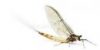
The new campaign is specifically focused on anglers fishing for trout during the annual hatch of the mayfly and takes its name from the species name for the mayfly –Ephemera danica – which is traditionally associated with the ‘Mayfly Season’ on the prime wild brown trout limestone lakes in Ireland. It is, traditionally, the busiest time on the lakes when fish are feeding on the surface and are ‘easier’ to catch.

The lakes where the campaign will be focused will be: Loughs Corrib, Mask, Carra, Conn, Cullen and Arrow all in the West, and Loughs Sheelin, Owel, Ennell, Derravaragh and Ree in the Shannon catchment.

“Over recent years, we have been seeking the views of the angling public as to what they wanted IFI to do more of in terms of fisheries management in the coming years,” explained Greg Forde, Head of Operations at Inland Fisheries Ireland. “The theme that kept being repeated was that anglers wished to see more protection of the fisheries resource. Ultimately, there is a concern amongst anglers that not everyone on our lakes abide by the strict regulations that are in place to protect these extremely important wild brown trout and the mayfly period is when fish are most vulnerable.

“With ‘Operation Ephemera’, we are reminding anglers to familiarise themselves with the regulations pertaining to the lakes they are intending to fish and to abide by the law. We will also be highlighting the regulations and making leaflets available to anglers to help familiarise themselves with the rules.”

The campaign will be concentrated in May but with hatches being late in some areas this year, this may extend into June. It is appreciated that many anglers practice catch and release but where trout are permitted to be retained it is important that this is within the strict regulations for the respective lakes.

Anglers are also reminded that when fishing in a lake boat all passengers must wear a buoyancy aid or lifejacket.

Inland Fisheries Ireland is also asking the public to help protect and conserve the fisheries resource by reporting incidents or suspicions of illegal fishing to its confidential hotline number telephone 1890 34 74 24 or 1890 FISH 24.

Salmon Watch Ireland Annual Conference: 21st April 2018 at 1100: Plaza Hotel, Tallaght, Dublin 24

Salmon Watch Ireland Annual Conference: 21st April 2018 at 1100: Plaza Hotel, Tallagh, Dublin 24


The annual conference hosted by Salmon Watch Ireland on the 21 April 2018 examines the ongoing debate as to whether the wild Atlantic salmon has a future in Ireland. It is an opportunity for all persons interested in this unique fish to engage with those concerned with the management of the resource. There will also be an opportunity to view the remarkable film “Lost at Sea” which should promote a large degree of discussion as to why Atlantic salmon continue to struggle in Ireland and elsewhere. 

This year we have deliberately included a substantial period for discussion where views on how salmon abundance might once again be achieved. This will be an open forum where the views of the audience and panel of speakers on ‘What is to be done’ can be discussed.

Conference agenda

1100 – Opening

1115 – ‘The state of the Irish salmon population’ – Dr Ciaran Byrne, Chief Executive, Inland Fisheries Ireland.


1200 – ‘The drivers of the decline in the salmon population’ –Dr Ken Whelan, Director Research, Atlantic Salmon Trust.


1245 – Lunch and the showing of the documentary film‘Atlantic salmon – Lost at sea’.


1415 – ‘What is to be done’ – Discussion facilitated by Eamon Cusack, Vice President, Institute of Fisheries Management.


1530 – Conclusions – Niall Greene, Chair of the Board, Salmon Watch Ireland.

An EU-funded project is investigating ways to improve wild freshwater fish stocks

An EU-funded project is investigating ways to improve wild freshwater fish stocks

0 20 16 February 2018


In the framework of the Horizon 2020 Research and Innovation programme, the European Commission has funded the €3.8 million ‘IMPRESS’ project (Improved Production Strategies for Endangered Freshwater Species), with the main objective of developing better fish-rearing and restocking methods which could help reverse the decline in wild freshwater fish population.

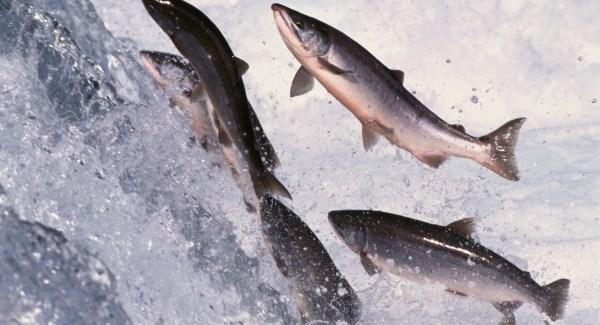
In fact, the Atlantic salmon, the European eel and sturgeon are all under threat from human activity in European seas, rivers and lakes, and their population has significantly declined for the past 30 years, despite efforts to restock fish in the wild.

Because of these species’ major impact on local economy (rural employment and leisure tourism mainly), the preservation of their habitat and population is critical for Europe. Finn-Arne Weltzien, the project coordinator from the Norwegian University of Life Sciences, stated that: “Most stock fish today are reared for fish farms. This means fish are selected to grow fast and grow big. In the wild, a different set of ‘life skills’ is needed: avoiding predators, finding mates, swimming long distances. With new genetic and fish-rearing techniques, we want to produce fish that can survive better in the wild and reverse population decline.” In order to achieve this goal, the project is training a new generation of PhD students across Europe with skills and methods to improve and search for new stocking strategies for these endangered species. Such methods range from molecular biology to fisheries management. The project partners are also providing advices to hydropower operators to adapt dams in fish-friendly ways during migration seasons.

The project, started in 2015, will finish in December 2018 and gathers five EU member states plus Norway and Israel. A conference will take place on the 17-19 Junein Norway with the aim of discussing and exploring both the pros and cons of current restocking strategies. Additionally, it will enable the researchers to present and discuss their findings.

More information on the project is available here and here.
You can visit the project’s official website here: http://www.impress-itn.eu/ 
You can also access more information on the conference here: https://www.nmbu.no/studier/evu/kurs/node/32956


Opportunities for local enterprise & rural development in Irish aquaculture

There is great potential for Ireland to develop its aquaculture in the coming decade, with a rich and varied marine landscape, and a long coastline. However, the sector is small in scale, relative to Scotland or Norway, and has been in decline somewhat over the last decade, as it has been across Europe.

Today’s report from the National Economic and Social Council, Sustainable Development in Irish Aquaculture (NESC report No. 143), argues that future Irish aquaculture development can be achieved that balances economic, environmental and social goals. The report, which includes a qualitative study on sustainable development in Irish aquaculture, was commissioned by NESC as part of its sustainability remit. The research, by Dr Patrick Bresnihan, examines how the dynamics of environmental sustainability have been experienced and managed within Irish aquaculture.

Three key themes came out of the research:

1. Diverse economies for development are required

There is potential for aquaculture to provide safe, nutritious food and other materials, to sustain livelihoods in coastal areas, and to ensure and even enhance the quality of the marine environment.  Opportunities for the future can be grasped in relation to the quality of Ireland’s marine environment, both in terms of its protection and preservation, but also as a unique selling point for the industry.

2. Environmental risk requires building resilience

The business of aquaculture depends in a fundamental way on an ability to manage environmental risks. In aquaculture these can have a particularly detrimental impact on production and the viability of a business. Local actors can play a critical role in identifying and avoiding risk through early identification. For these producers, sustainable livelihoods, quality of life and environmental integrity are inseparable.

3. Conflict resolution, engagement and decision-making can be improved

Aquaculture is a highly contested sector and conflicts have arisen over its development and the way decisions are made about the allocation and use of the foreshore. There is a need for a focused approach to finding, testing and adapting suitable forms of public participation for natural resources management. Different, often competing, perspectives and values need to be articulated and negotiated. There is still a gap in our understanding of the kind of structures, processes and agencies that can best progress constructive engagement, and this is evident across many different areas of policy.

Dr Rory O’Donnell, Director of NESC, stated that ‘while not easy, it is possible to deliver local job creation and enterprise, development and growth, strengthening of exports—while at the same time deepening environmental protection and sustainable development.’

He added that ‘this research points to the importance of community resilience, rural development and the use of local knowledge and skills for a sustainable economy- a model of development which integrates and builds on local enterprise has potential.’

The overarching question for further consideration is: what needs to be put in place, locally and nationally so that diverse forms of aquaculture can prosper in Ireland’s coastal areas? It suggests that we can learn from the experience of rural co-operatives and other collaborative models, such as the Wild Atlantic Way Seafood Trail.

Many of the themes and issues raised are not unique to aquaculture, but touch on wider concerns of sustained regional development, environmental sustainability and environmental policy integration. NESC will continue to work on issues of sustainable environmental, economic and social development.

The report was circulated to Government departments and noted by the Cabinet at its meeting on the 21st of May. You can read the full report here

For further information please contact Dr Rory O’Donnell, rory.odonnell@nesc.ie / +353-87-6595619 / +353-1-8146332.
IFI launches scientific fisheries for Eel

IFI launches a network of scientific fisheries for Eel around Ireland and invites former Eel fishermen to get involved.
 
PRESS RELEASE
Inland Fisheries Ireland (IFI) has today (23.03.16) announced that it is establishing a network of scientific fisheries for eel around Ireland. The scientific fisheries will be distributed in key catchments around Ireland (Barrow, Boyne, Corrib, Fane, Moy, Munster Blackwater, Waterford Harbour and the Shannon Estuary).
The purpose of the scientific fisheries is to increase the data and knowledge of eel in Ireland ahead of the 2018 EU review of our national eel management plan. The programme follows an announcement by Minister with responsibility for natural resources, Joe McHugh TD, last November of a new collaborative research initiative involving IFI scientists and former eel fishermen.
Announcing the programme, CEO of Inland Fisheries Ireland, Dr Ciaran Byrne, said: “IFI is delighted to be working with the eel fishermen in undertaking research on this enigmatic creature. IFI has experience in working with stakeholders in both the commercial and recreational fishing in relation to salmon, sea trout, bass and invasive species.”
IFI’s Head of Research, Dr Cathal Gallagher, said: “The programme presents a great opportunity for eel fishermen to work with IFI to get an understanding of the process involved in gathering data to undertake stock assessments. This research will investigate changes to the eel stock as a result of the poor recruitment of eel to Europe. Data from the lake surveys carried out by IFI indicate an absence of smaller eels that were present in surveys from the 1960s to the 1990s”.
The European eel is critically endangered and in 2007 the EU introduced a regulation requiring member states to implement management plans to help eel stocks recover. The latest advice from the International Council for the Exploration of the Sea (ICES) is that all mortality affecting silver eels should be reduced to – or kept as close to – zero as possible. Ireland submitted a review of its managment measures to the EU in 2015. 
ccc IFI is seeking expressions of interest by former eel fishermen in the key locations. To get an information pack with details on how to apply, please visit http://www.fisheriesireland.ie/scientific-eel-fishery-2016.html, call 01 8842600 or email info@fisheriesireland.ie. The closing date for applications is 15th April 2016.